As children get older, the cognitive components of empathy begin to emerge and complement the emotional intelligence we form during the first years of life. By the preschool years, we become more aware that other people have separate bodies, feelings, and experiences. We develop what is called a “theory of mind,” which enables us to engage in early “perspective taking,” a precursor to being able to stand in someone else’s shoes and care about what that feels like.
Growing empathy. By observing others, we start entering into social interaction.
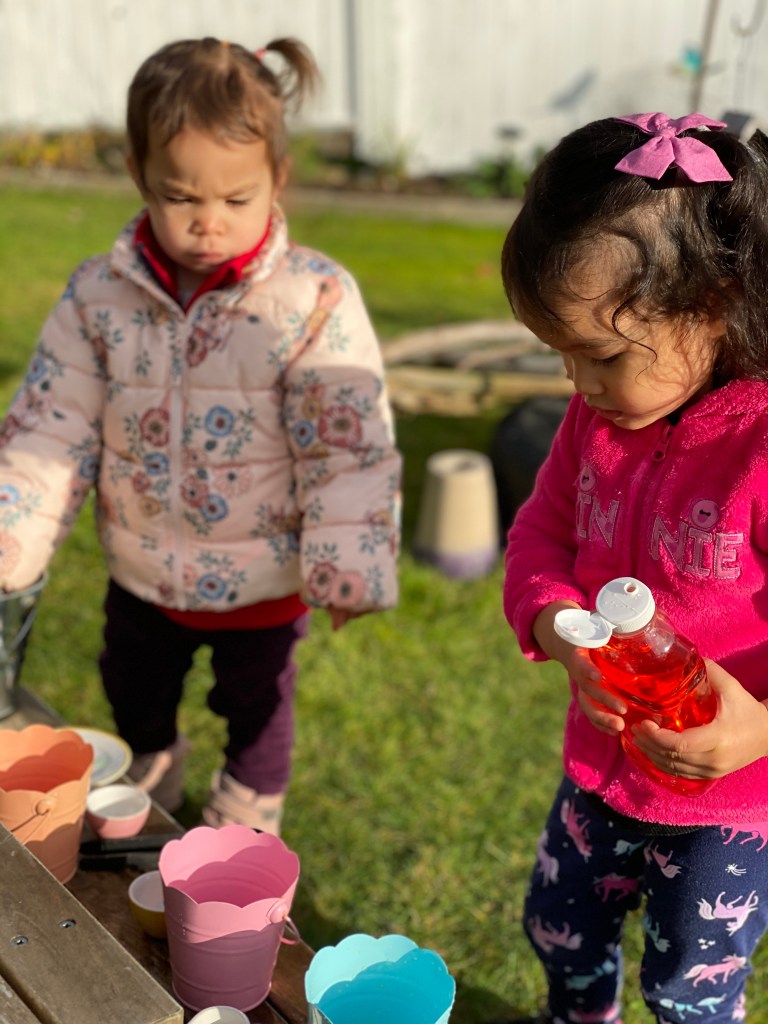
Various ways of behaviours may take place during our social interactions to address the situations, intentionally or spontaneously.
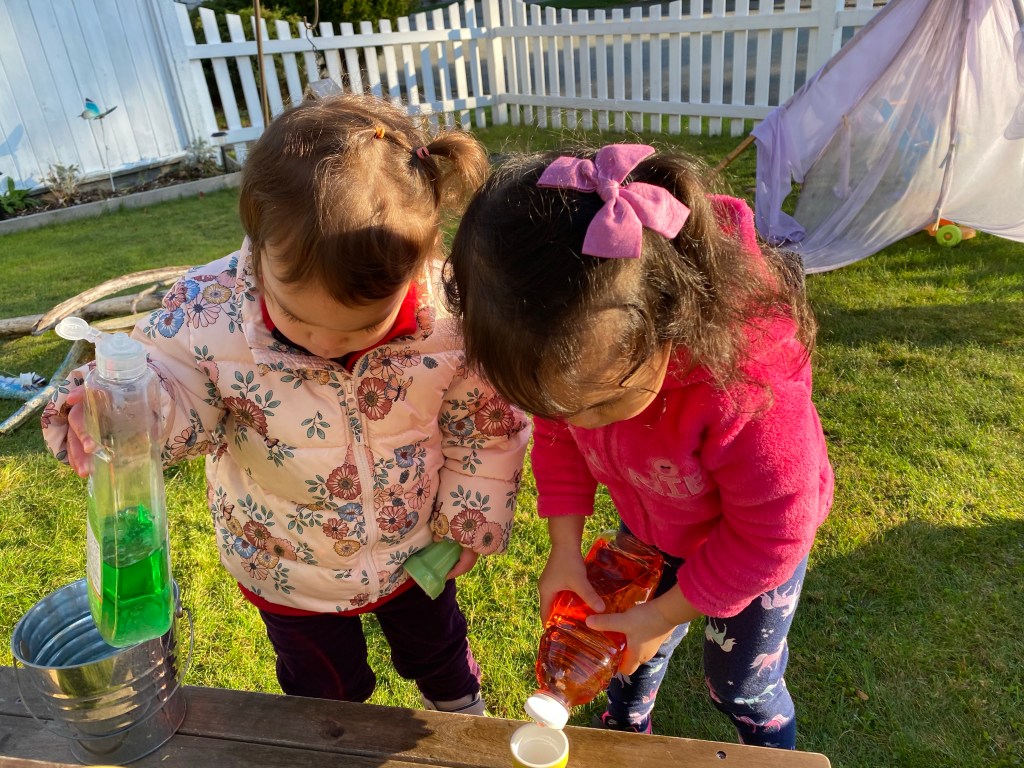
We learn along the way the impact of our actions when we are made aware of others’ reactions.
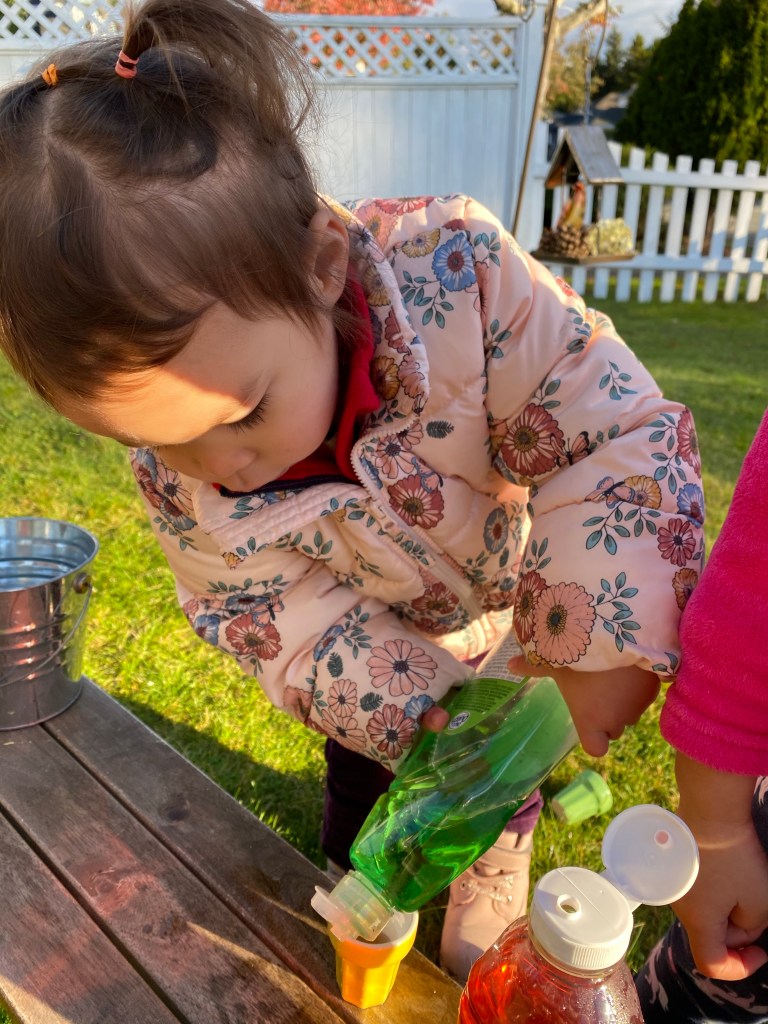
Learning how to put ourselves in others’ shoes, as reactions of our actions, is indeed an ongoing process that requires time and purposeful practices.
Throughout this learning experience of demonstrating our caring thought to the bird, we come across many ways of experiencing empathy such as:
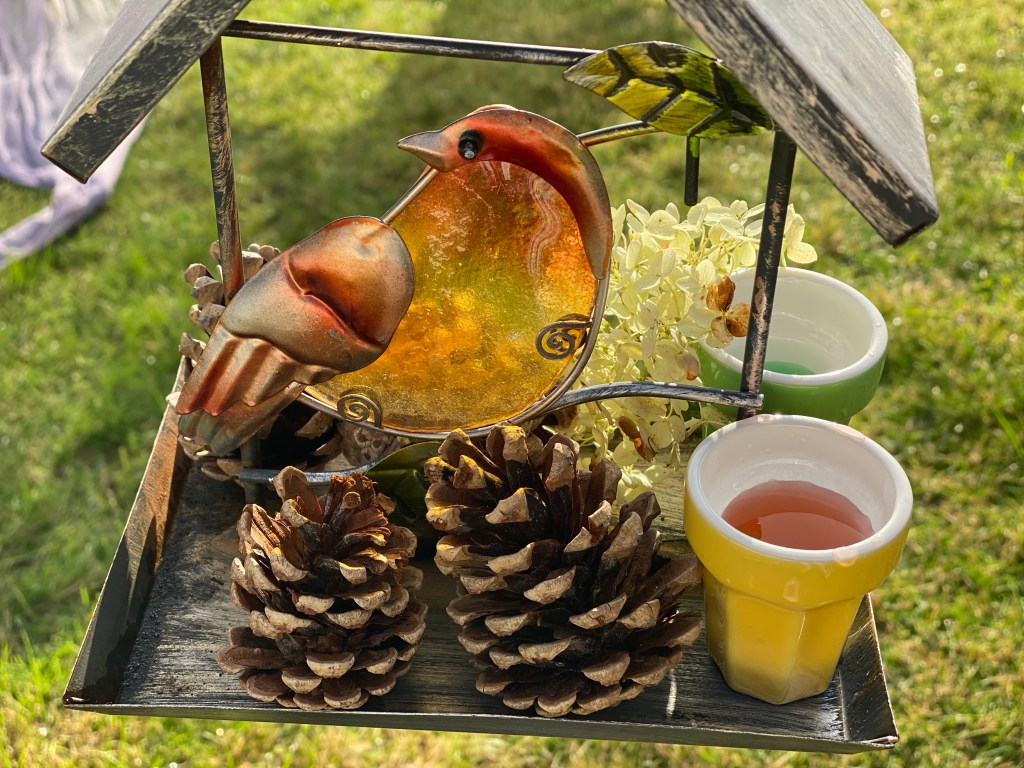
• paying attention to other’s ways of addressing the situation;
• being open to others’ perspectives;
• agreeing or disagreeing to others’ points of views and celebrating our diverse ways.
Developing cooperation. It means working together to achieve a common goal. We also learn to contribute, participate, and help out.
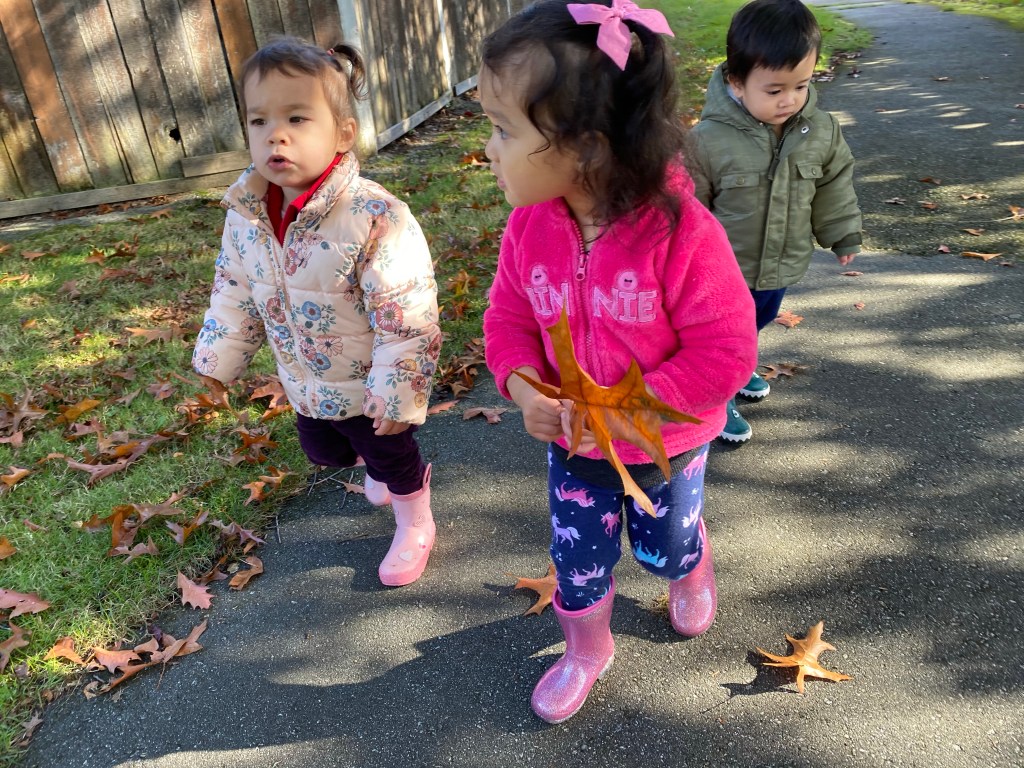
Good cooperation skills are essential for successfully getting along within a community.
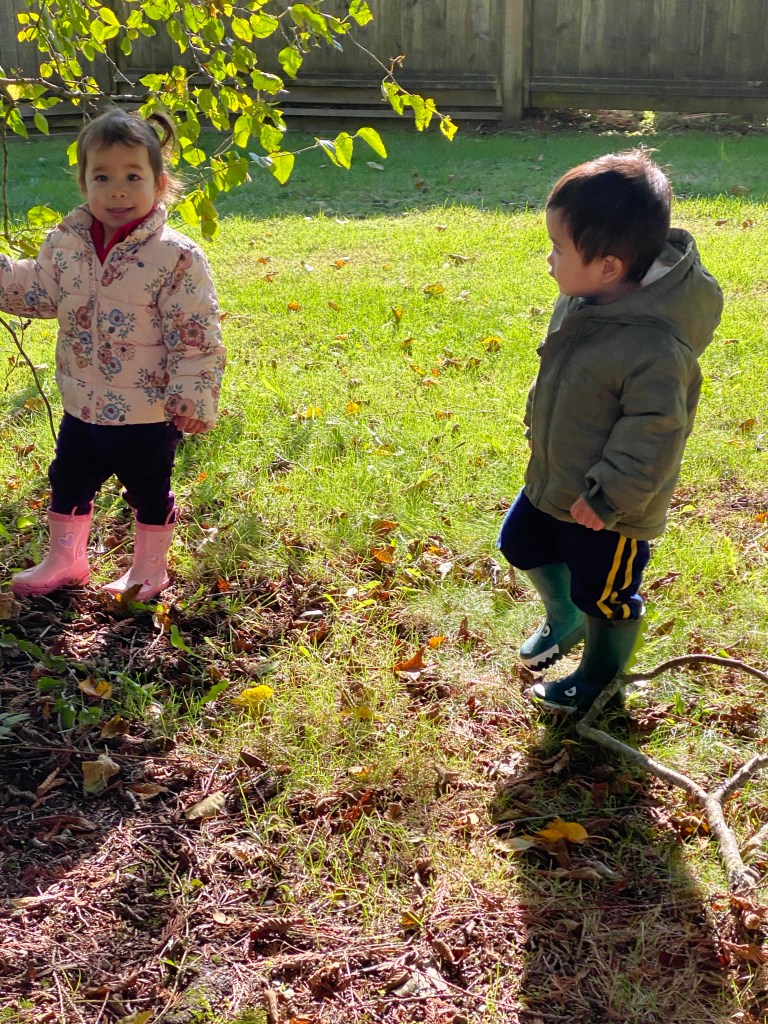
We will need to cooperate with classmates on the playground as well as in the classroom.
Listening. Through relationship building we learn to listen to one another.
Listening isn’t just about staying quiet—it means really absorbing what other is saying.
Listening also is a critical component of social relationship.
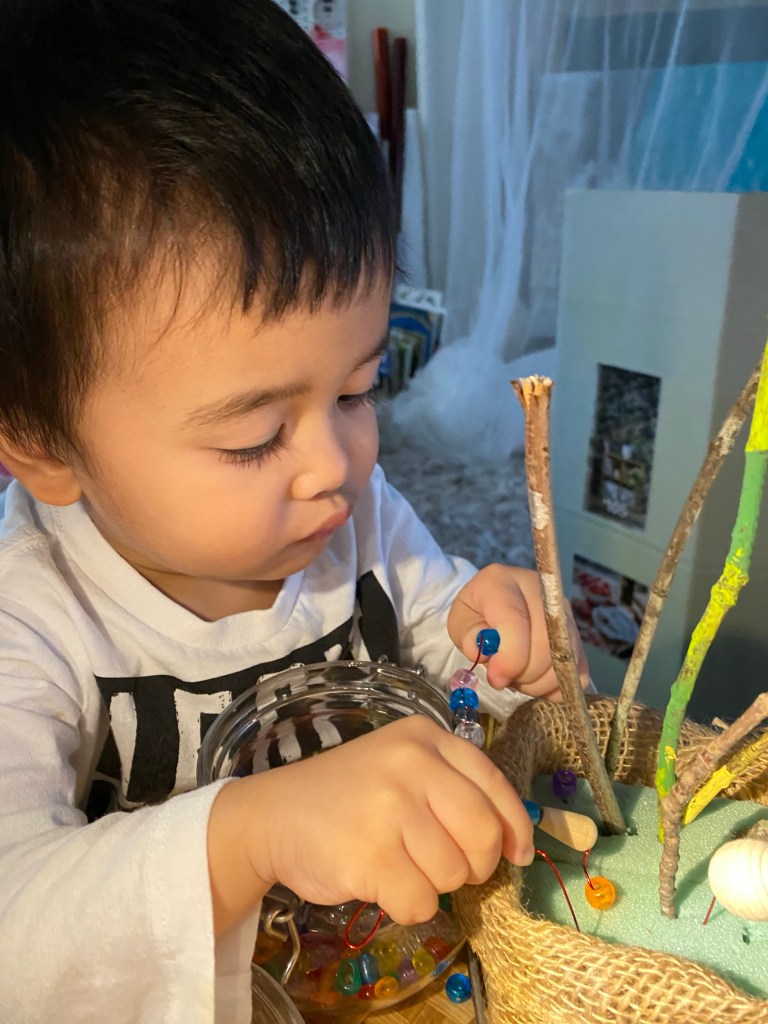
These social skills include:
• what to say to others;
• how to make and keep friends;
• how to work well with others;
• how to make good choices and;
• how to act in different social situations
emerge over time in the context of caring relationships, modeling, storytelling, communication, and playing.
Kindest,
Children & Friends.
 Children & Friends