The Relationships between Social Interactions and Emotional Intelligence
As children get older, the cognitive components of empathy begin to emerge and complement the emotional intelligence we form during the first years of life. By the preschool years, we become more aware that other people have separate bodies, feelings, and experiences. We develop what is called a “theory of mind,” which enables us to engage in early “perspective taking,” a precursor to being able to stand in someone else’s shoes and care about what that feels like.
Growing empathy. By observing others, we start entering into social interaction.
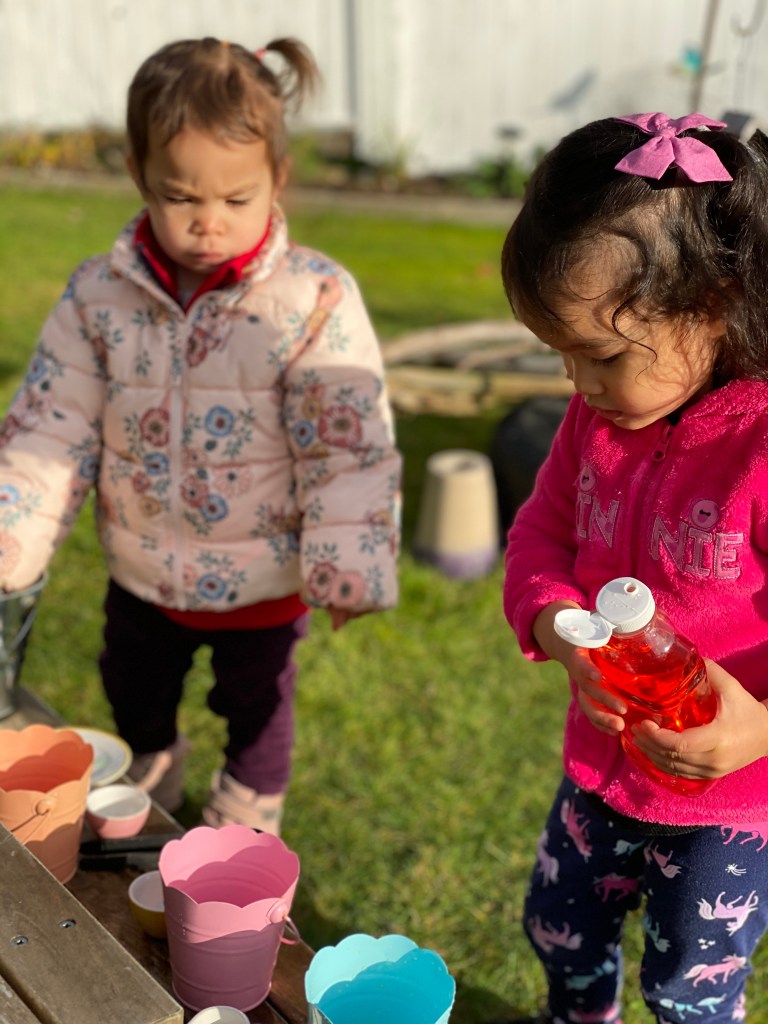
Various ways of behaviours may take place during our social interactions to address the situations, intentionally or spontaneously.
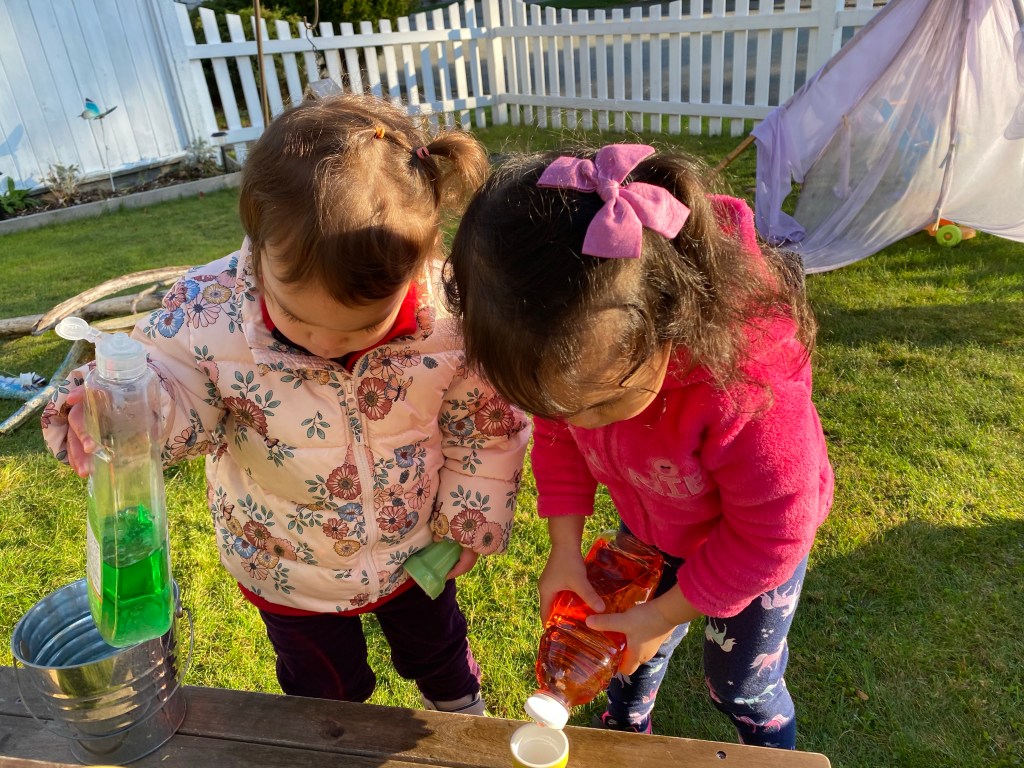
We learn along the way the impact of our actions when we are made aware of others’ reactions.
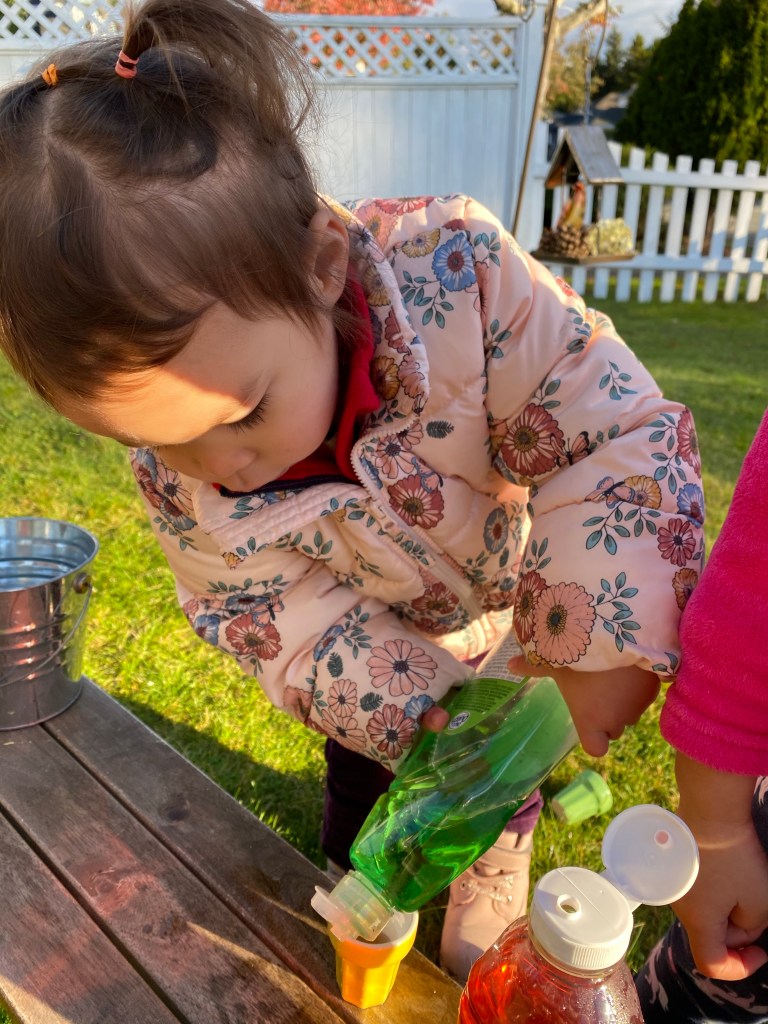
Learning how to put ourselves in others’ shoes, as reactions of our actions, is indeed an ongoing process that requires time and purposeful practices.
Throughout this learning experience of demonstrating our caring thought to the bird, we come across many ways of experiencing empathy such as:
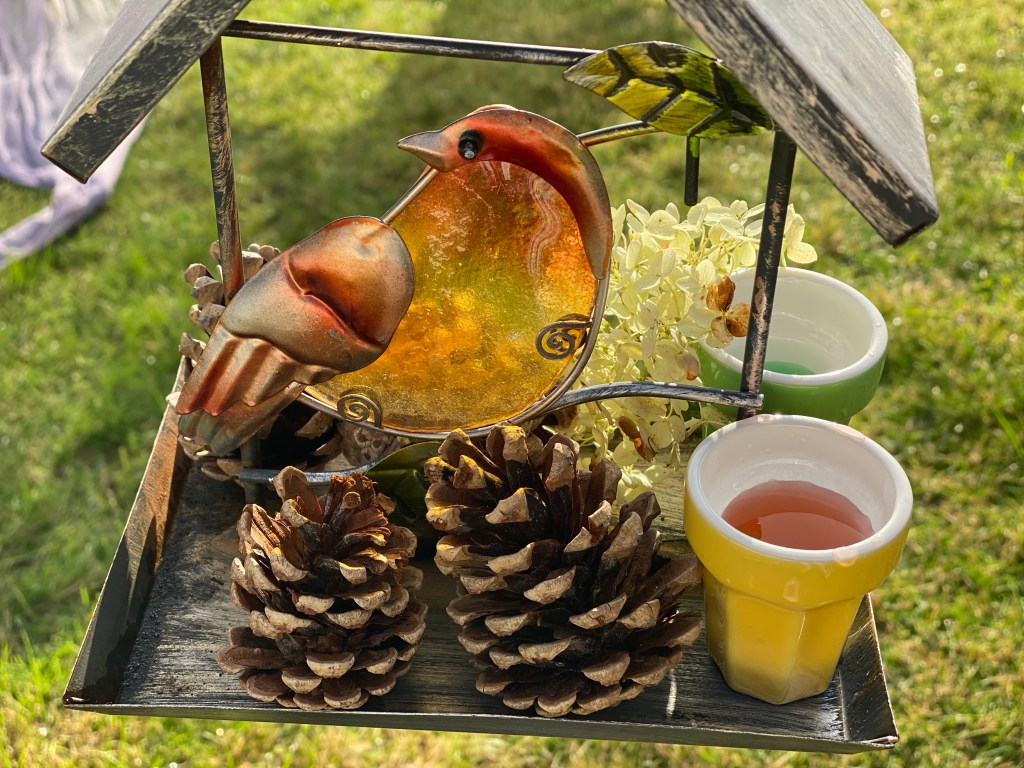
• paying attention to other’s ways of addressing the situation;
• being open to others’ perspectives;
• agreeing or disagreeing to others’ points of views and celebrating our diverse ways.
Developing cooperation. It means working together to achieve a common goal. We also learn to contribute, participate, and help out.
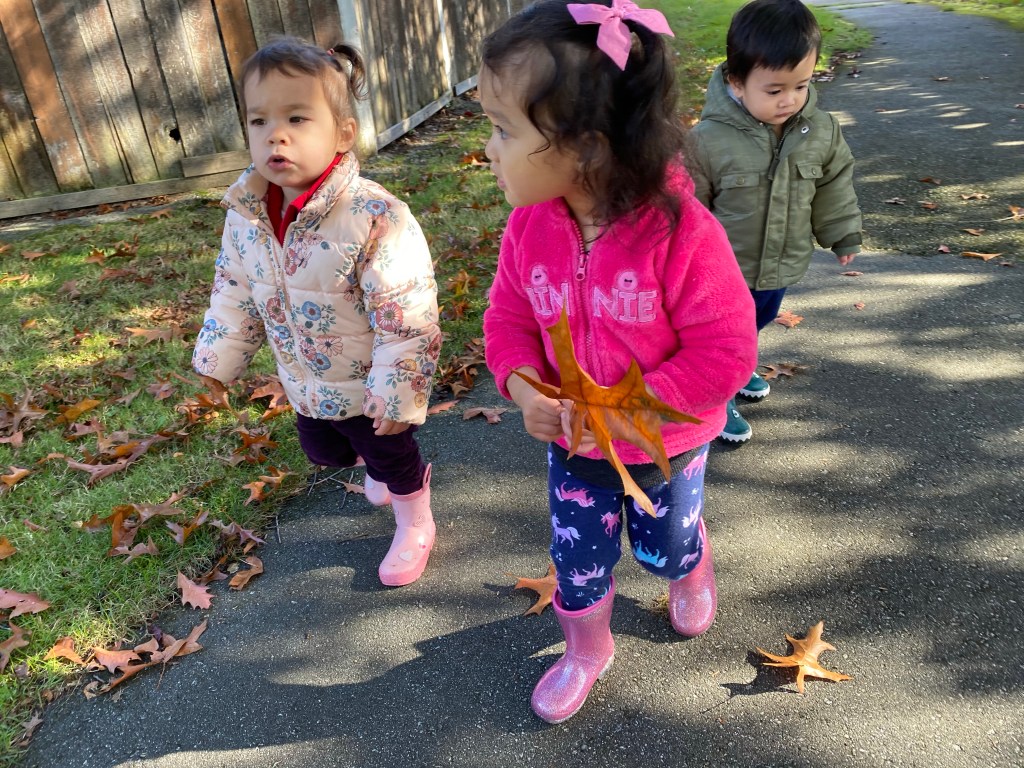
Good cooperation skills are essential for successfully getting along within a community.
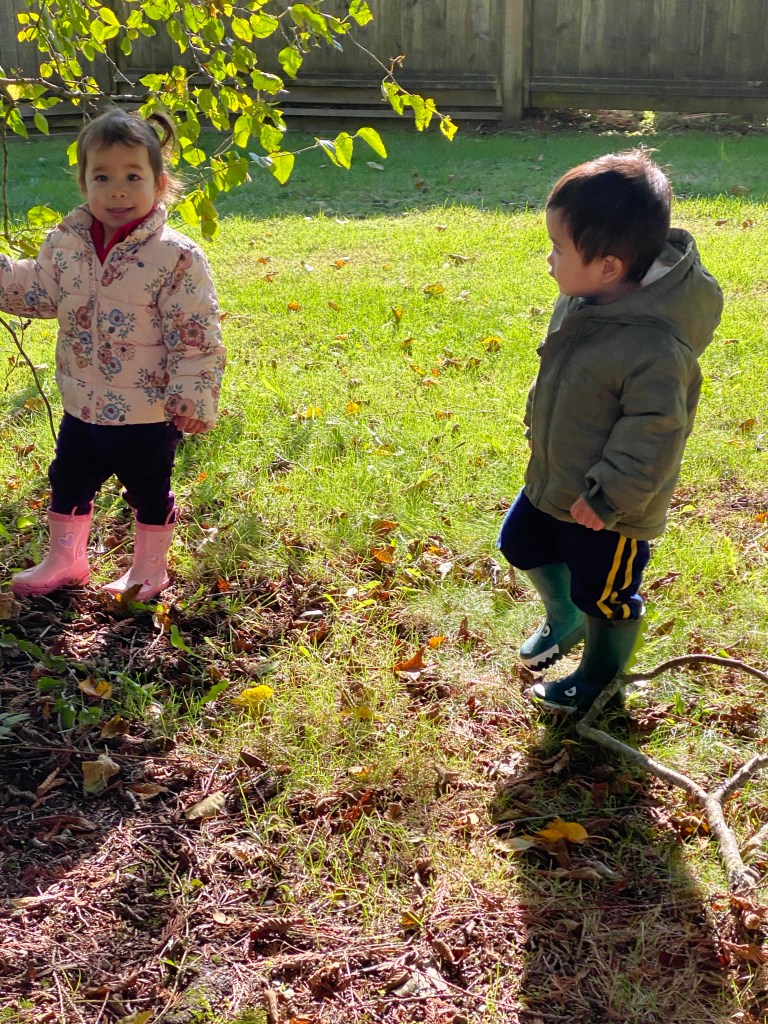
We will need to cooperate with classmates on the playground as well as in the classroom.
Listening. Through relationship building we learn to listen to one another.
Listening isn’t just about staying quiet—it means really absorbing what other is saying.
Listening also is a critical component of social relationship.
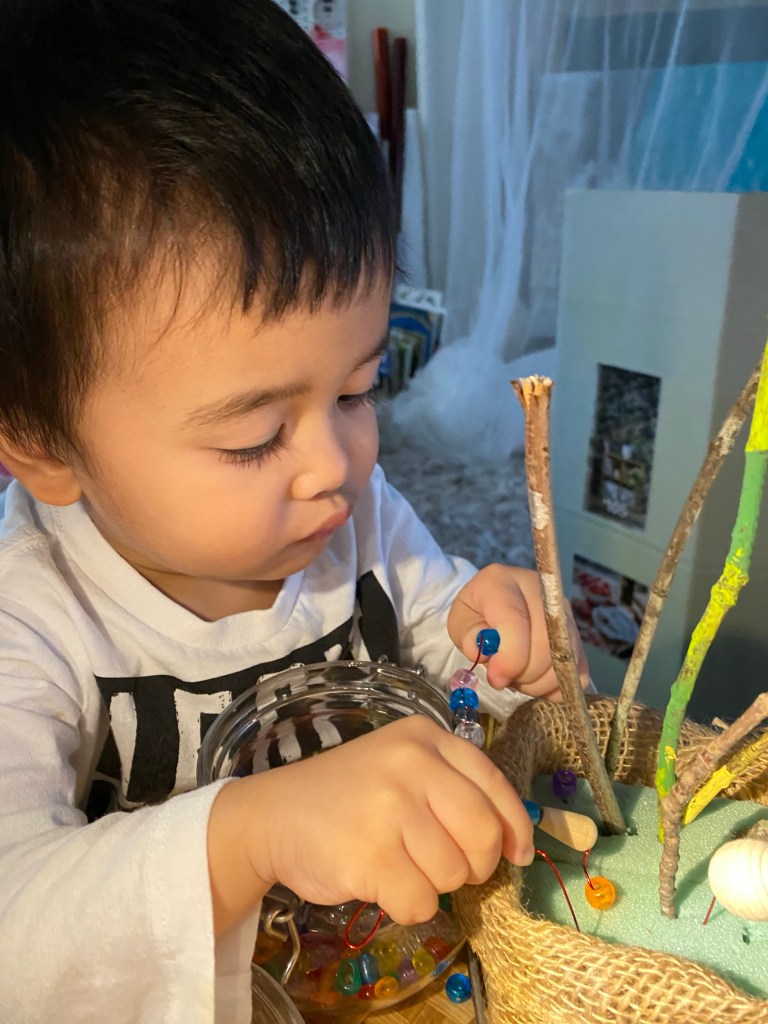
These social skills include:
• what to say to others;
• how to make and keep friends;
• how to work well with others;
• how to make good choices and;
• how to act in different social situations
emerge over time in the context of caring relationships, modeling, storytelling, communication, and playing.
Kindest,
Children & Friends.
Connections between Outdoor and Indoor Experiences
Studies show that human minds simply integrate outdoor and indoor experiences simultaneously.
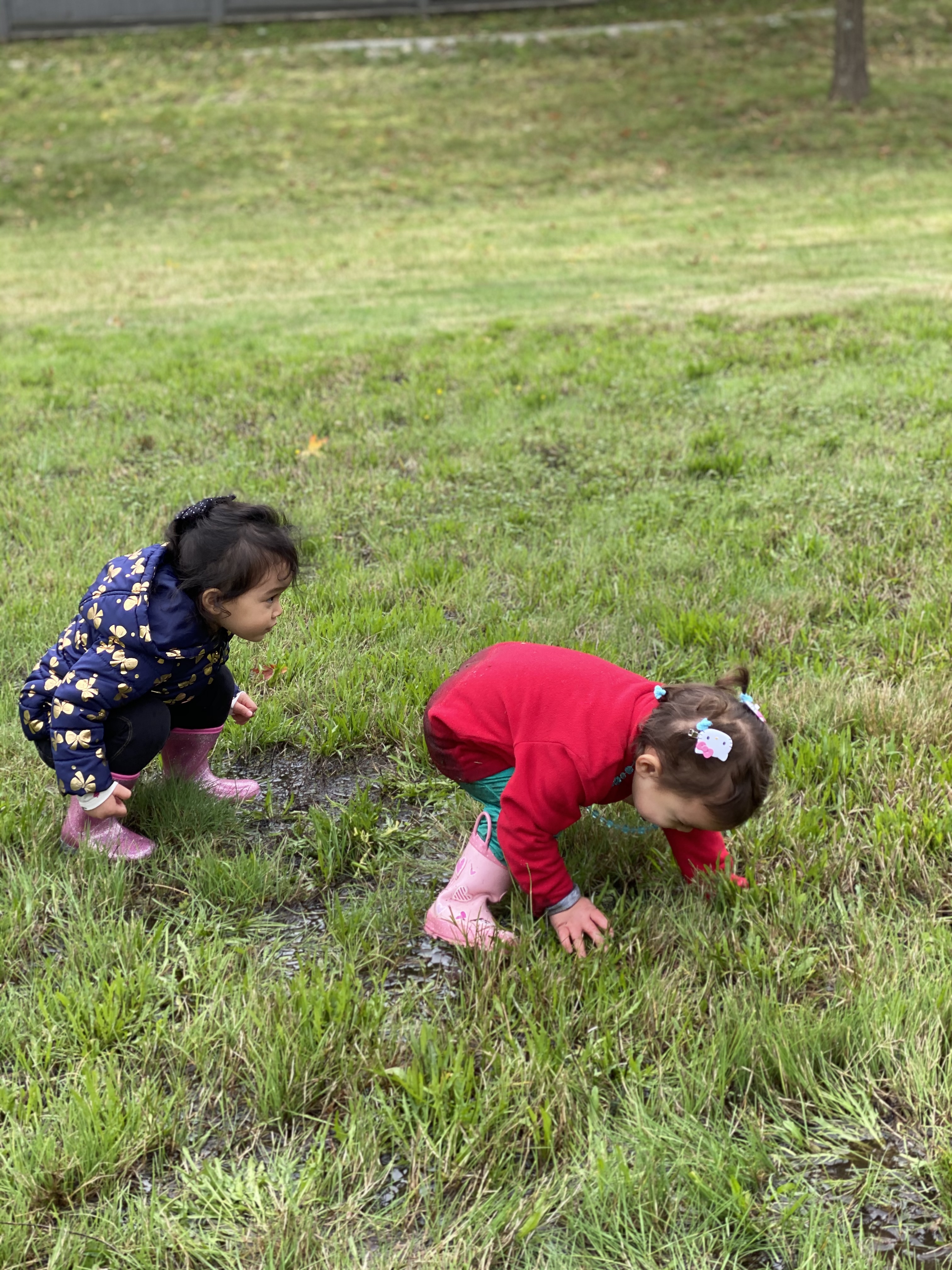
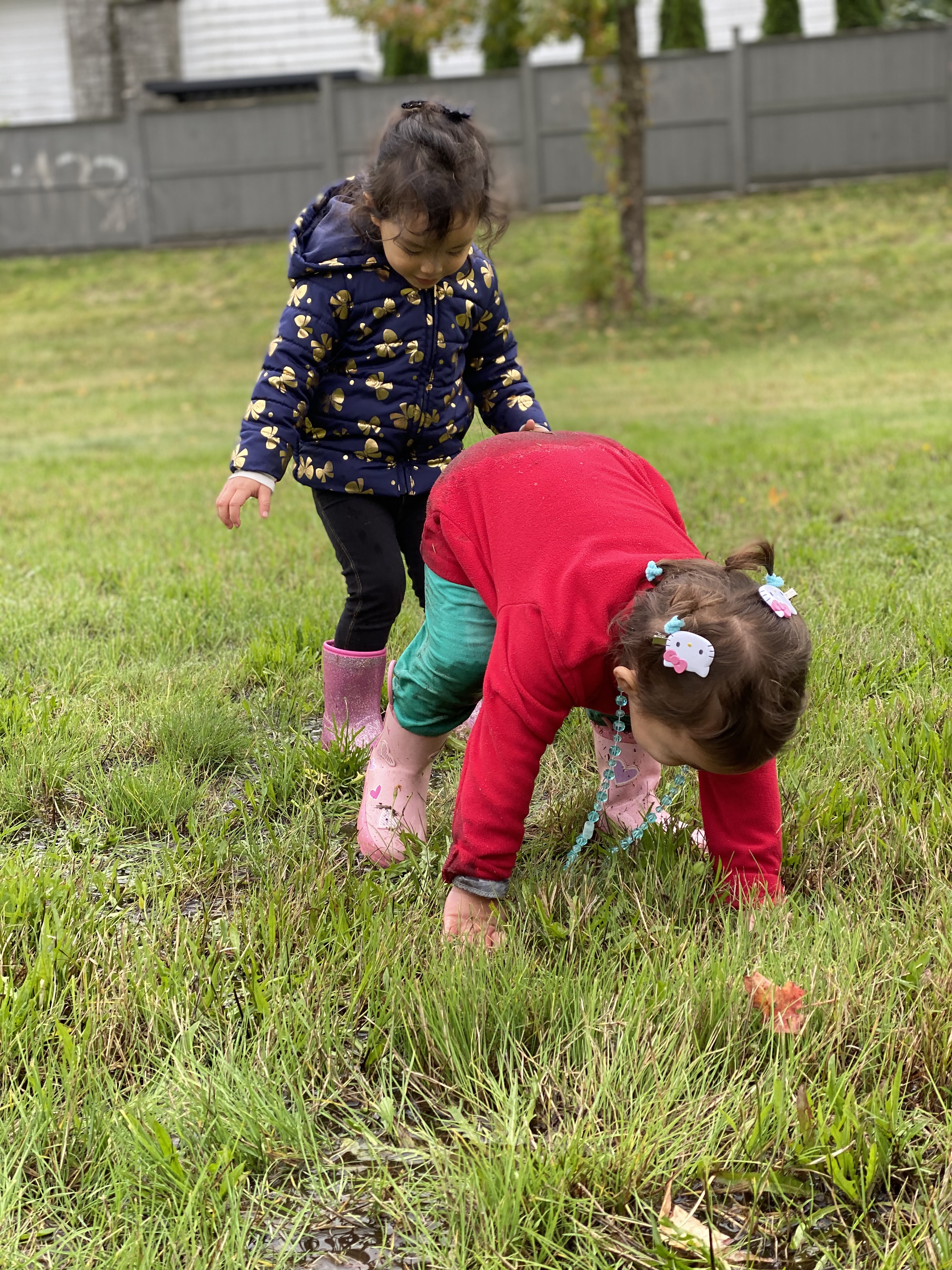
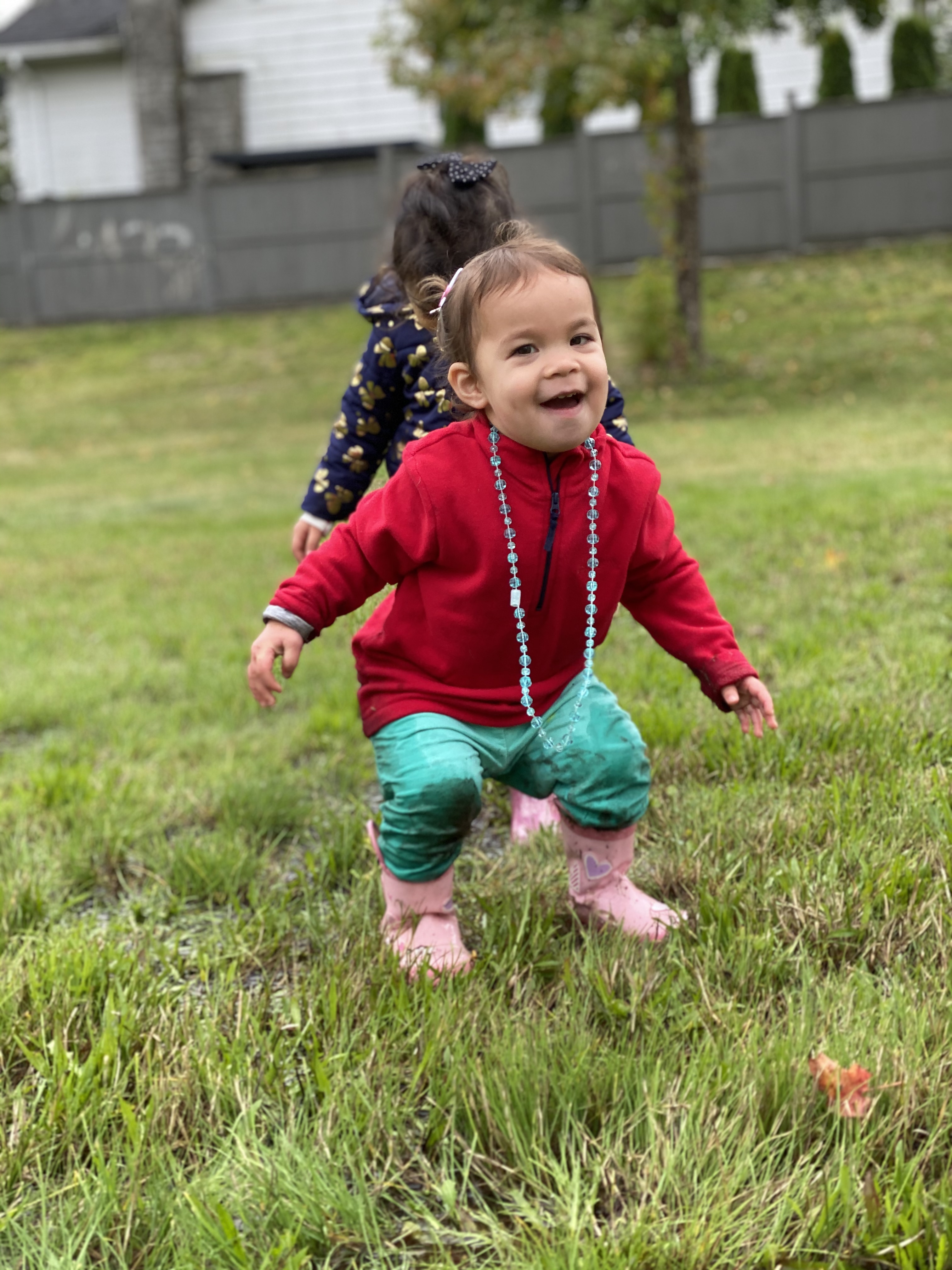
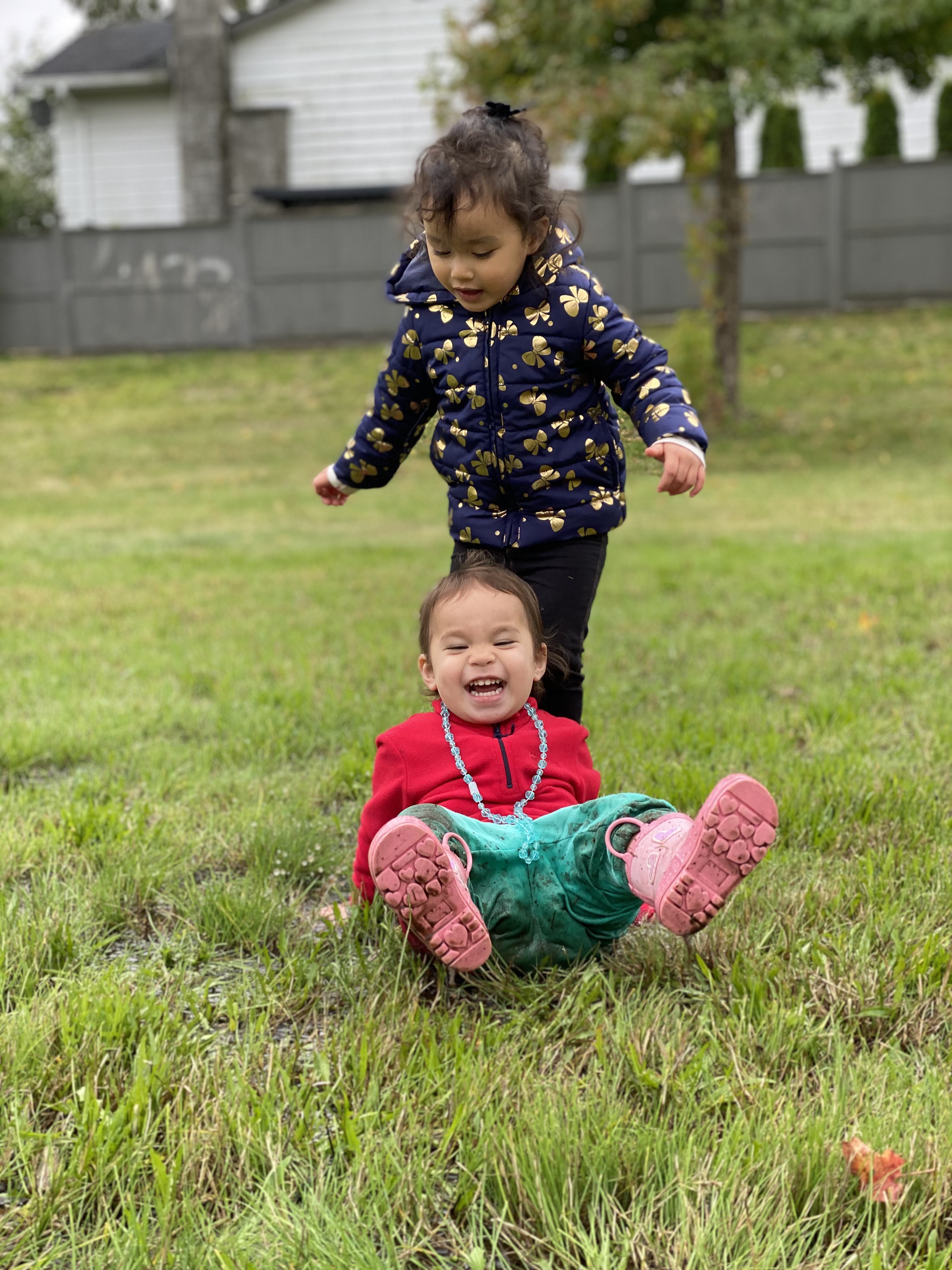
We automatically become hands-on in nature. Just think to a time we were in nature with children: Did we see children jumping in puddles, climbing on rocks, swinging from trees, and picking things up?
Nature makes us think. Richard Louv, author of the book Last Child in the Woods: Saving Our Children From Nature-Deficit Disorder, says that nature creates a unique sense of wonder for children that no other environment can provide.
Natural materials such as pine cones, grass, rocks, leaves, rain, spider webs, sticks, dirt, seashells, pebbles, and sand provide endless possibilities for play and imagination.
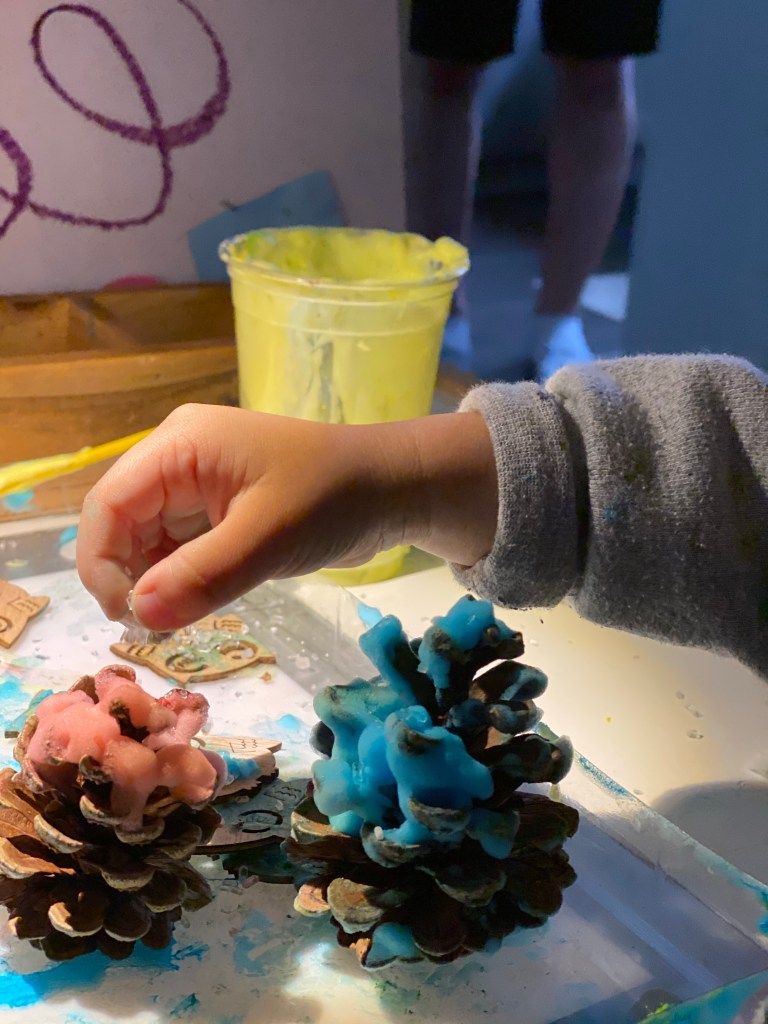
Nature provides different stimulation. Nature activates our senses—we can see, hear, smell, and touch outdoor environments. Understanding the relationship between outdoor and indoor experiences, we love to bring nature inside.
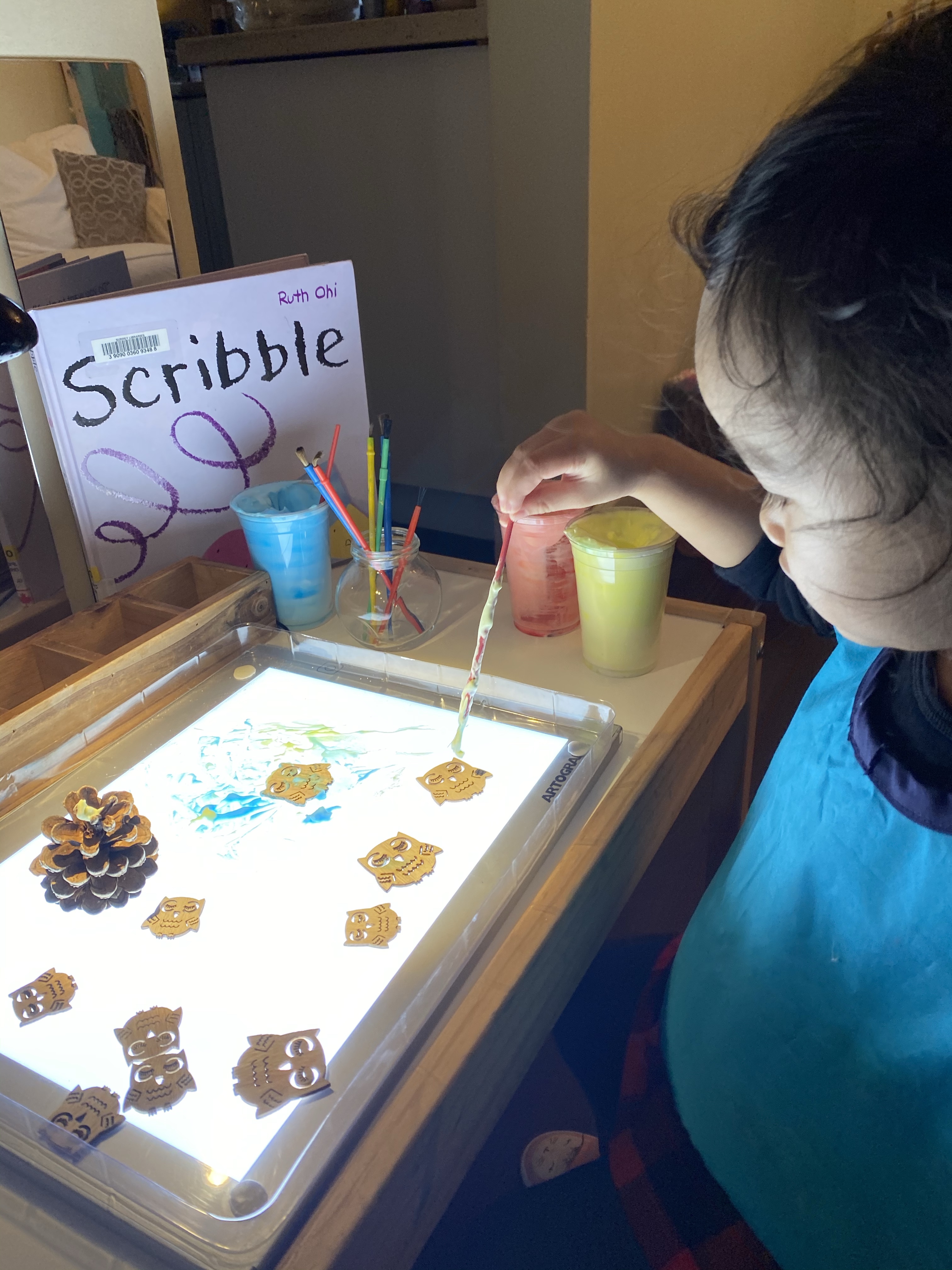
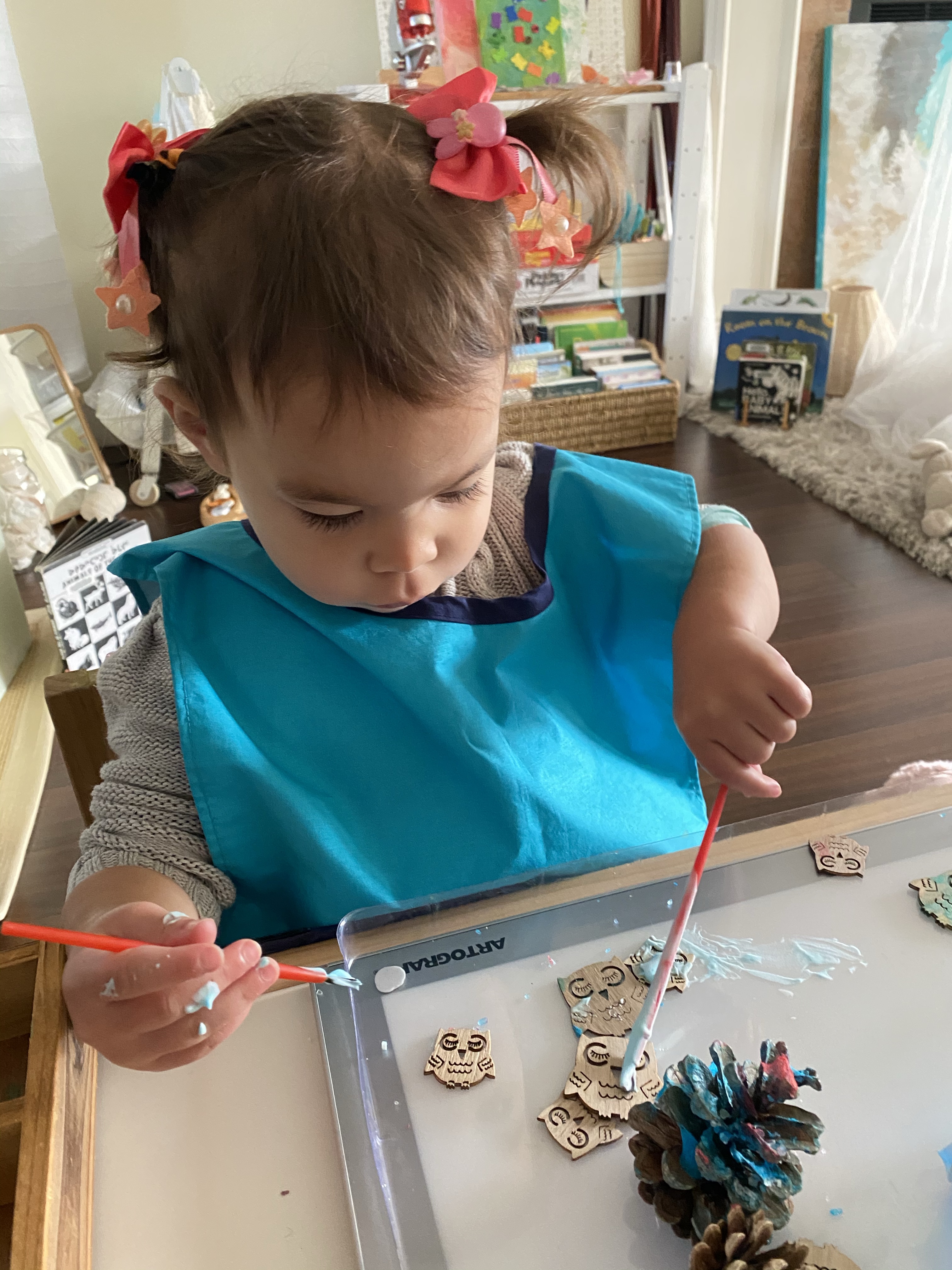
Bringing nature to the classroom reinforces its beauty, purpose, and gifts. Open the door to the outside and support wonderful connections with nature!
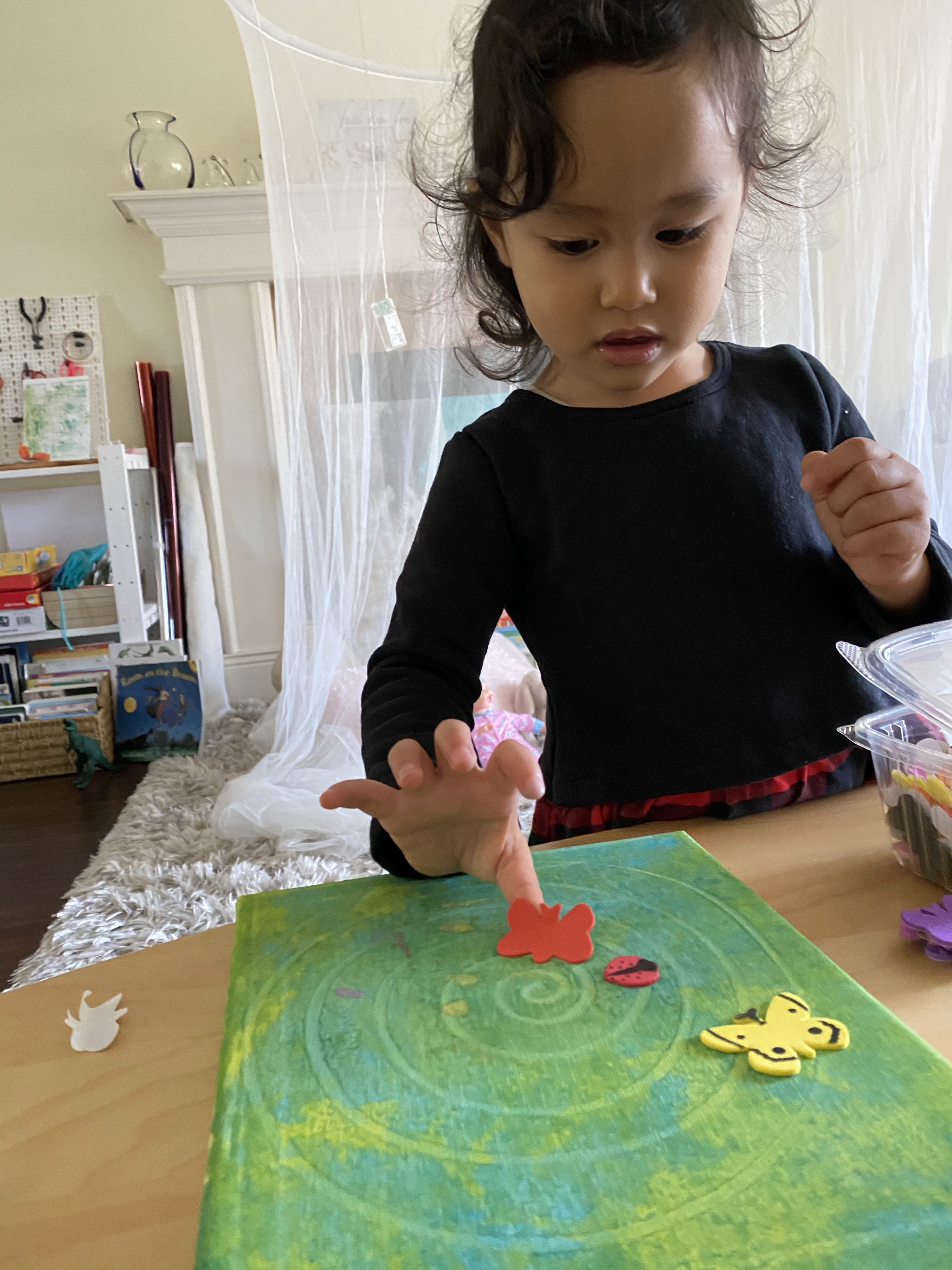
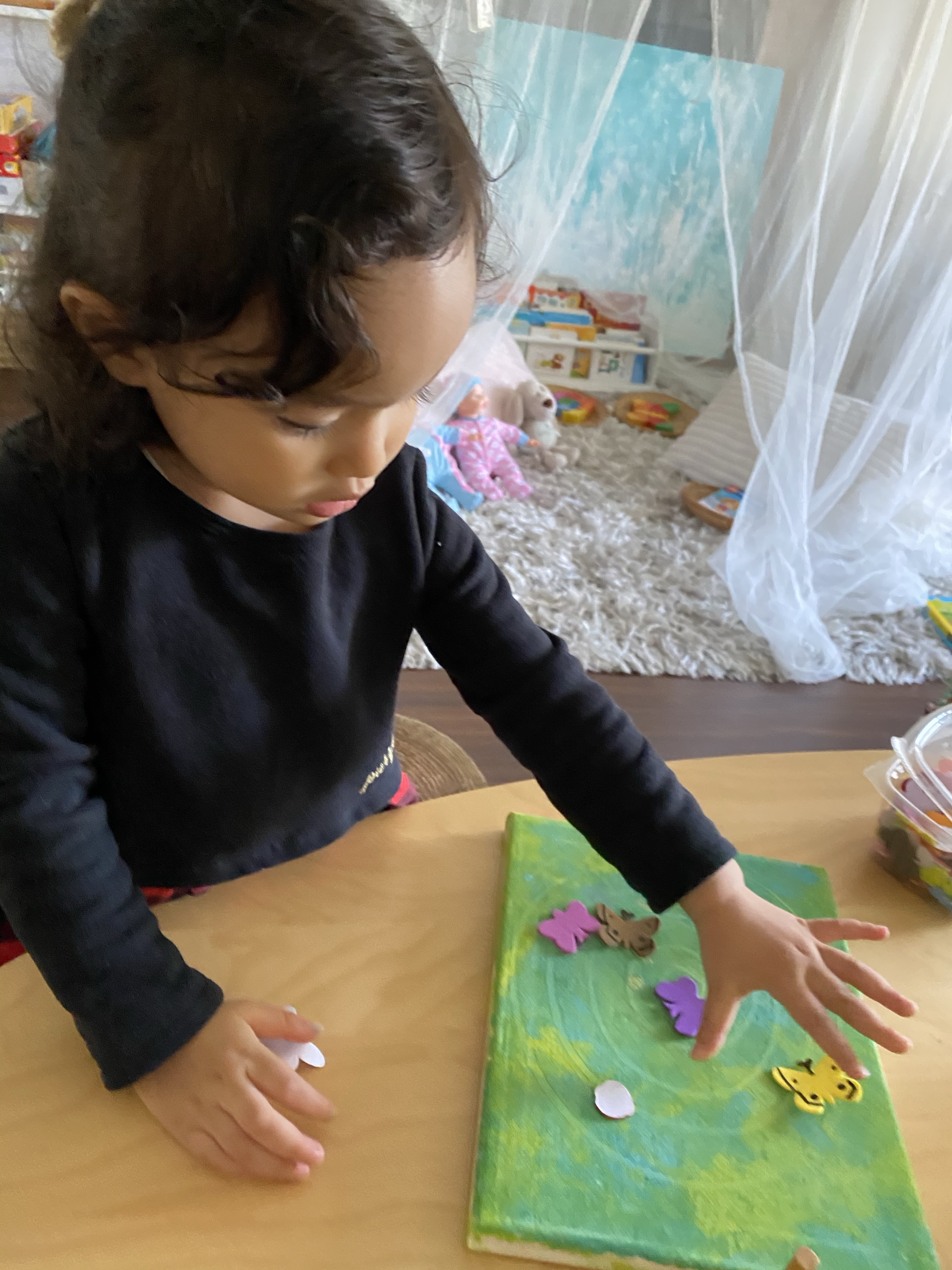
“As the young spend less and less of their lives in natural surroundings, their senses narrow,” Louv warns, “and this reduces the richness of human experience.”
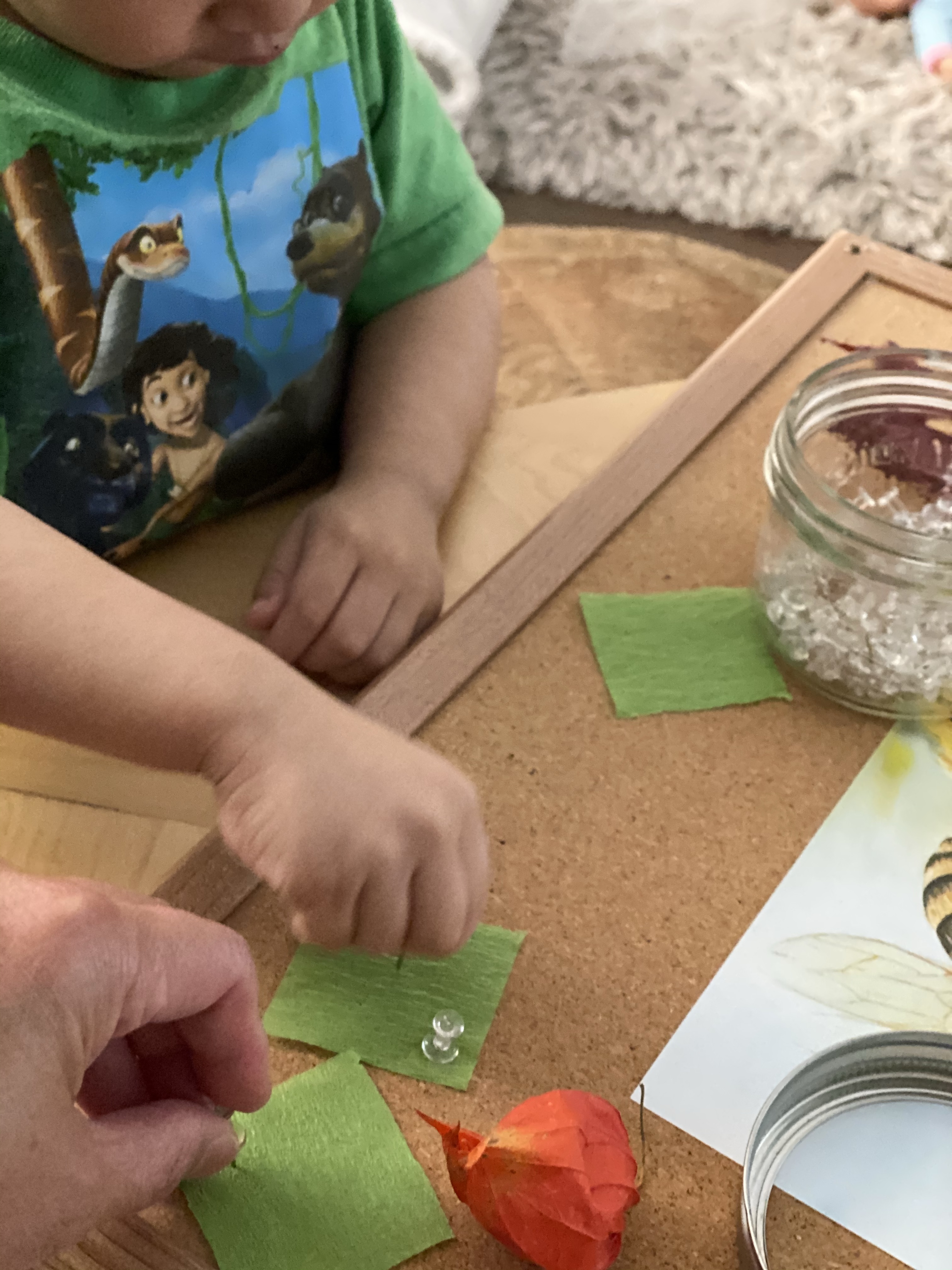
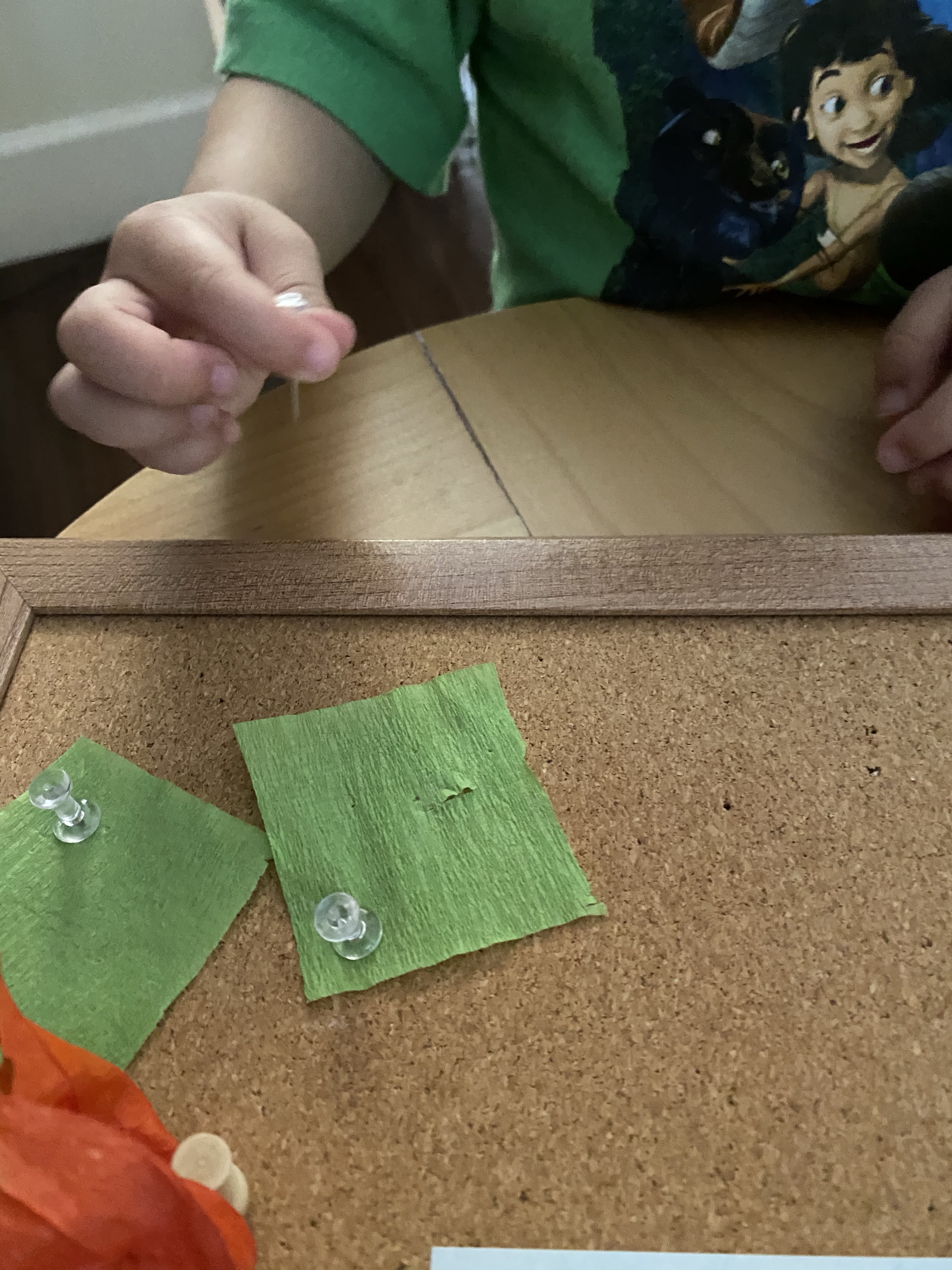
Nature teaches responsibility. Living things die if mistreated or not taken care of properly, and entrusting us to take care of the living parts of our environment means we will learn what happens when we forget to water a plant, or pull a flower out by its roots.
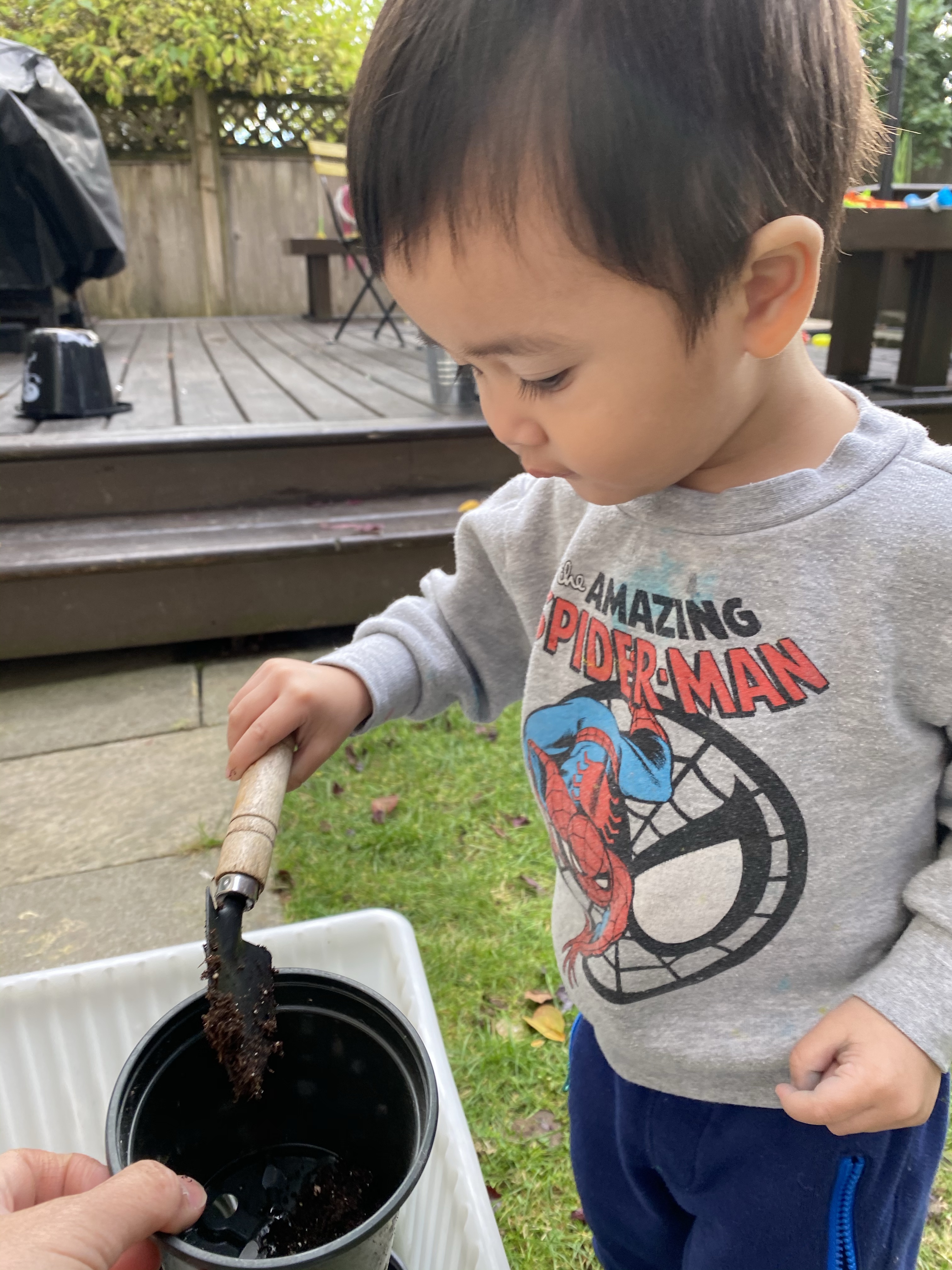
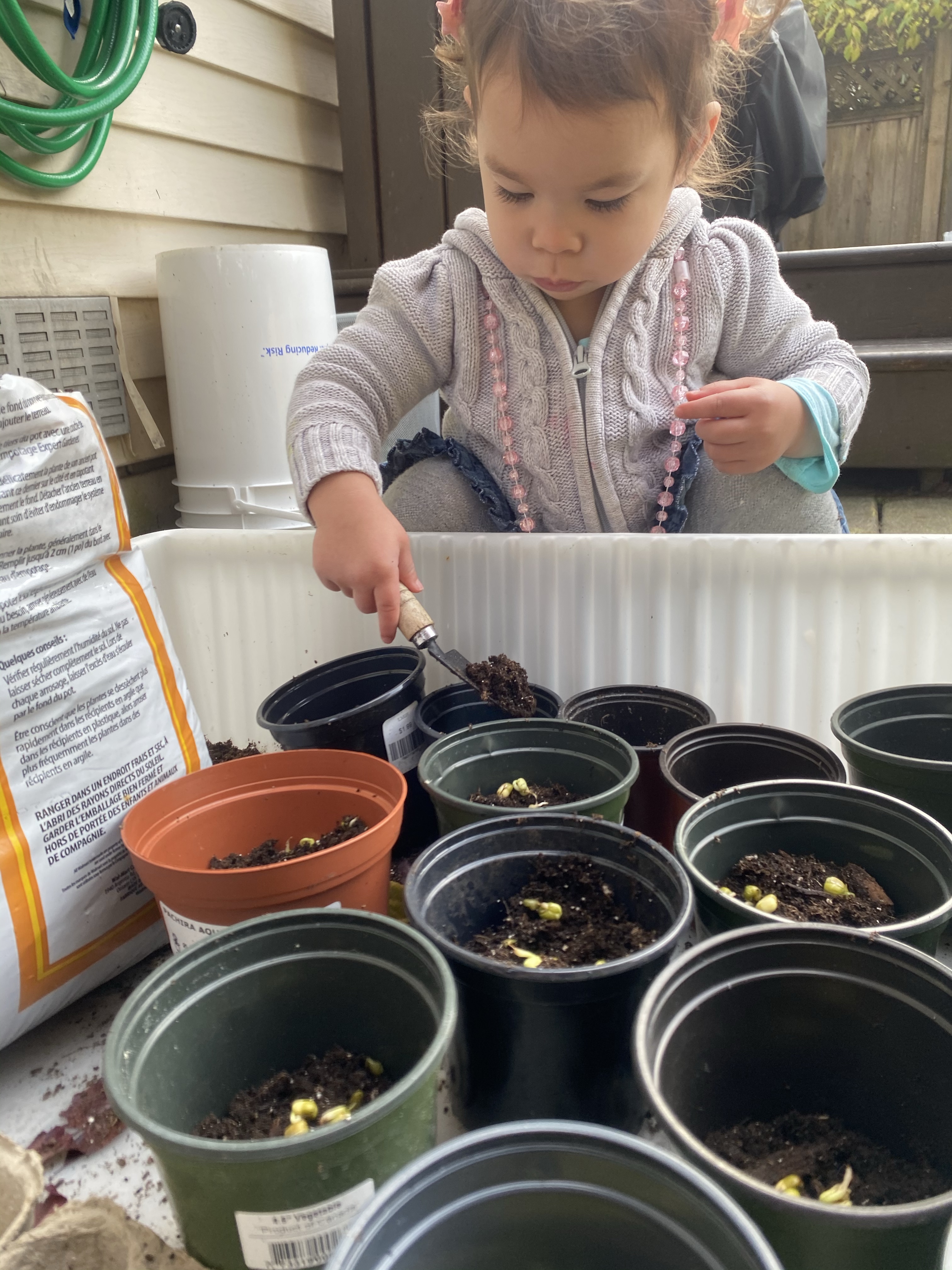
The phenomena that occur naturally in backyards and parks everyday make us ask questions about the earth and the life that it supports.
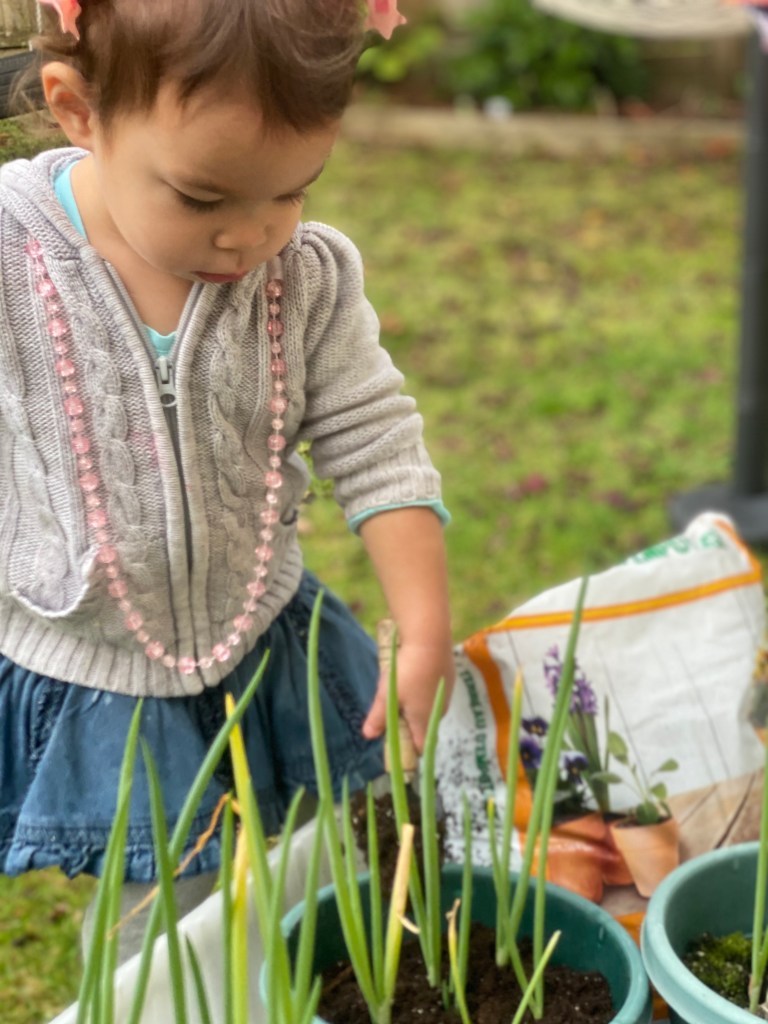
Where we can fulfill our interest through nature, have access to a creative form to express and empower ourselves, which results in more self esteem, value for our lives and way of living, more empathy towards each other and responsibility towards our own families and communities.
Kindest,
Children & Friends.
Protected: Friendship in Everyday Moments
Protected: Relationships: The Context for Well-Being and Learning
Protected: Exploration and Creativity
Protected: Music, Stories & Movement
Encountering Authentic Experiences
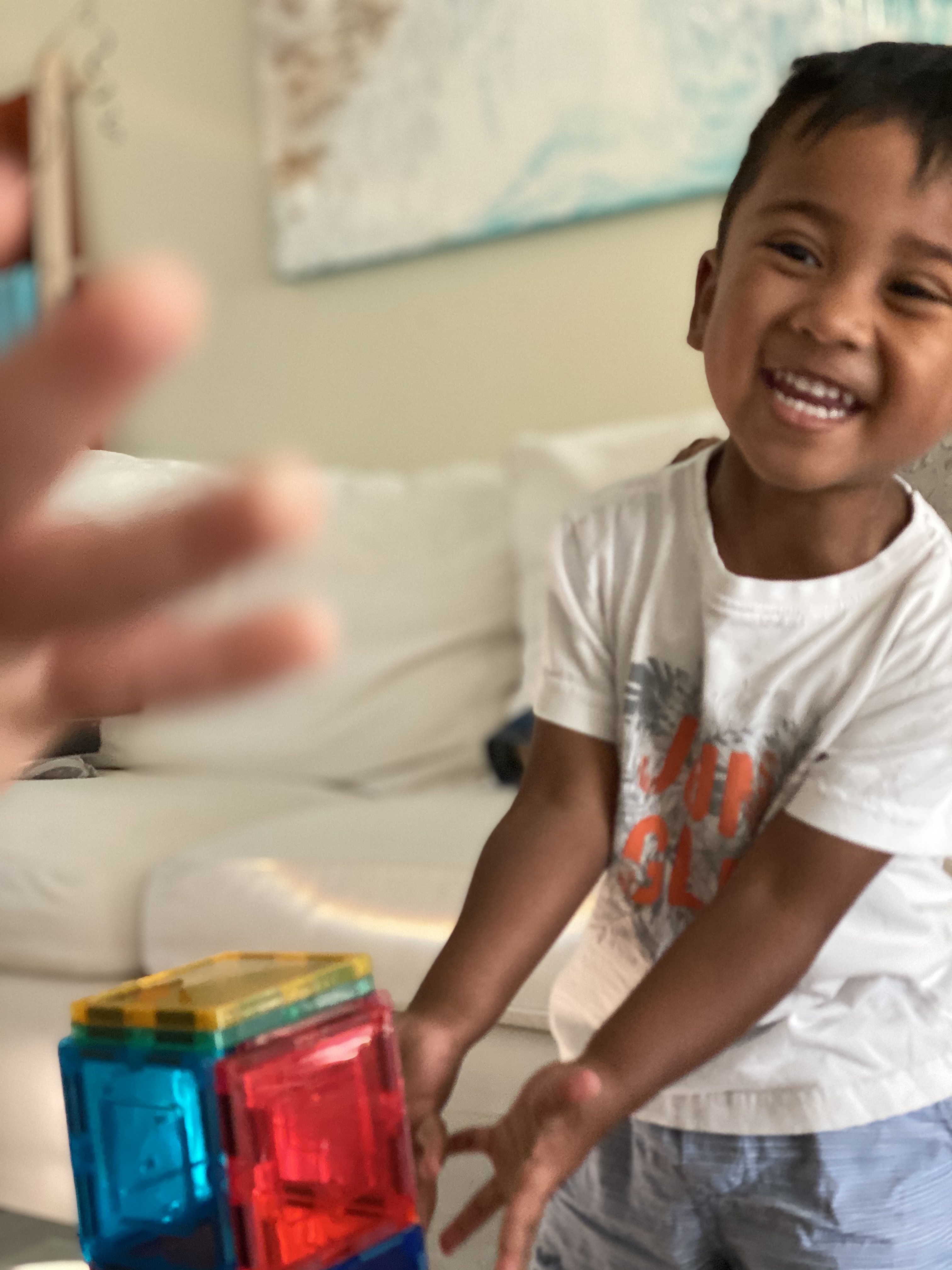
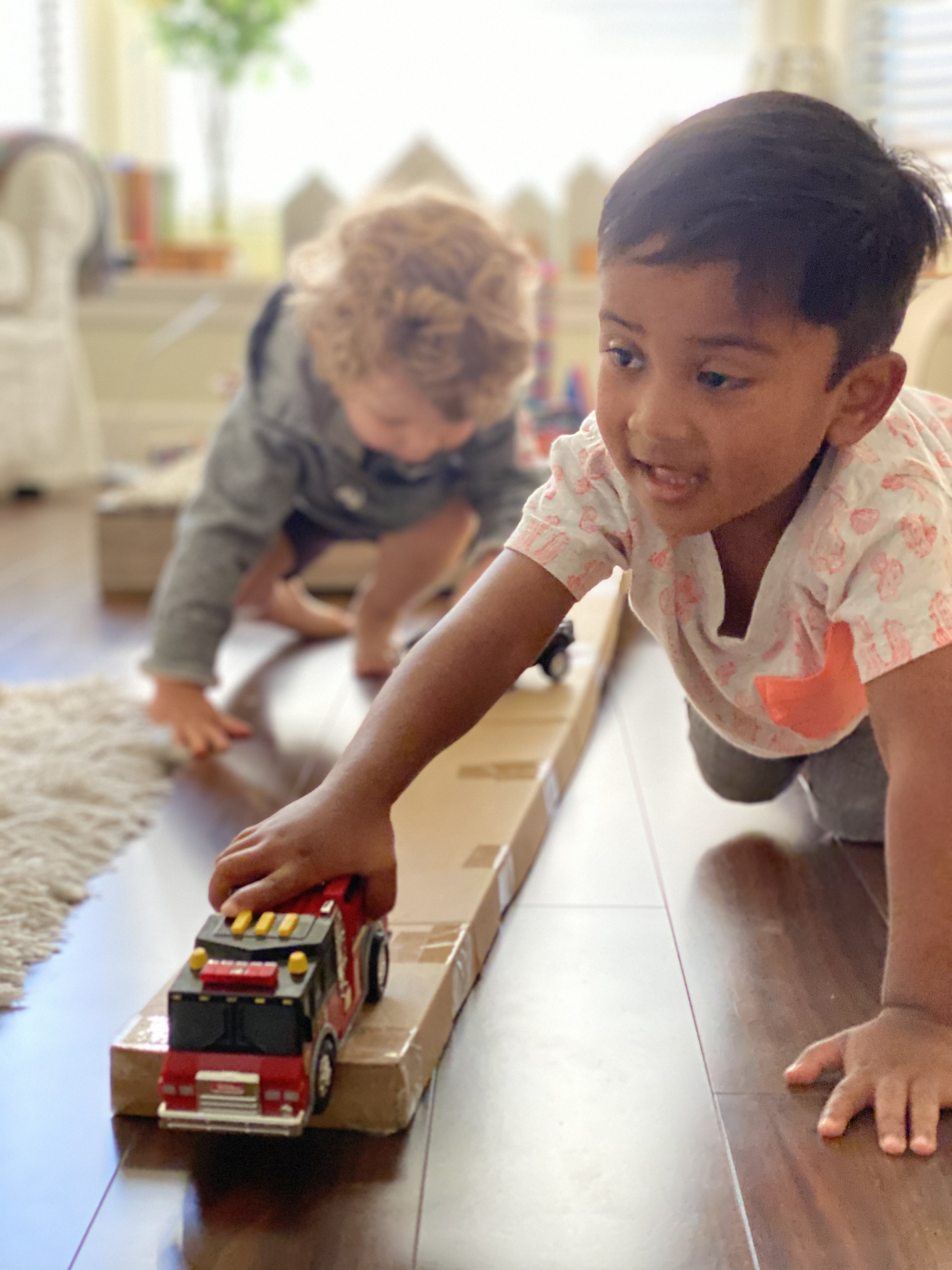
We need real, authentic experiences with the earth. We learn through our senses. We must have real experiences to be effective in developing our understanding of self and the world around us.
During our early years we learn holistically. We learn many things at the same time. Something we learn from one experience will connect with something else seemingly unrelated and form a connection which builds context and meaning.
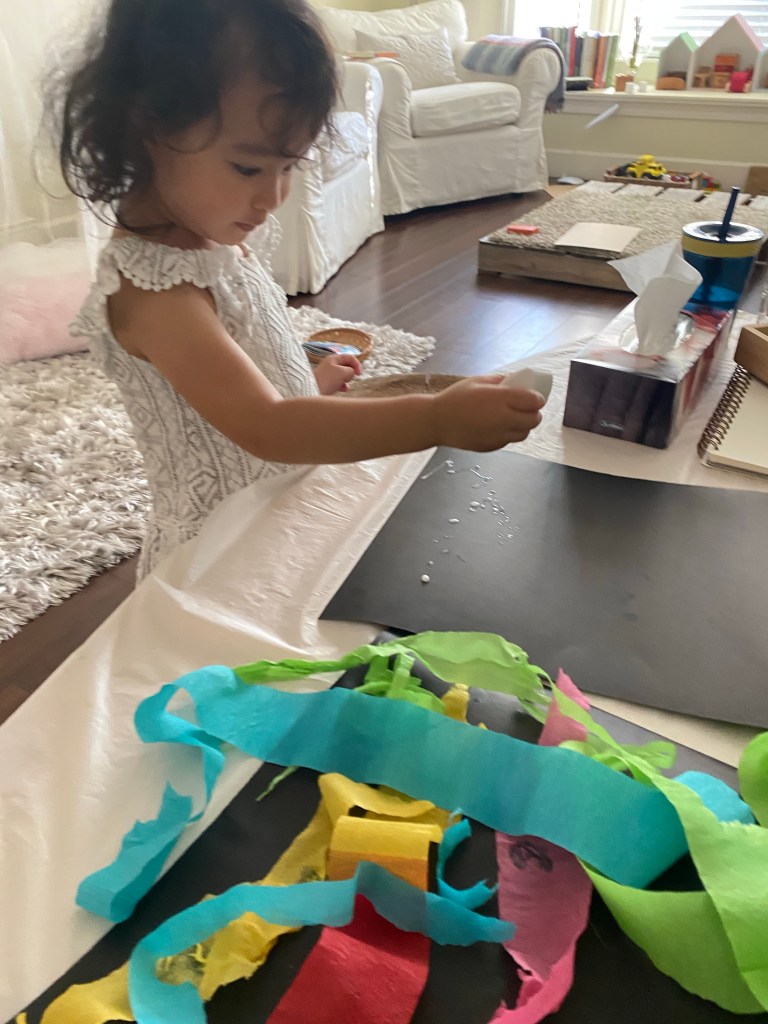
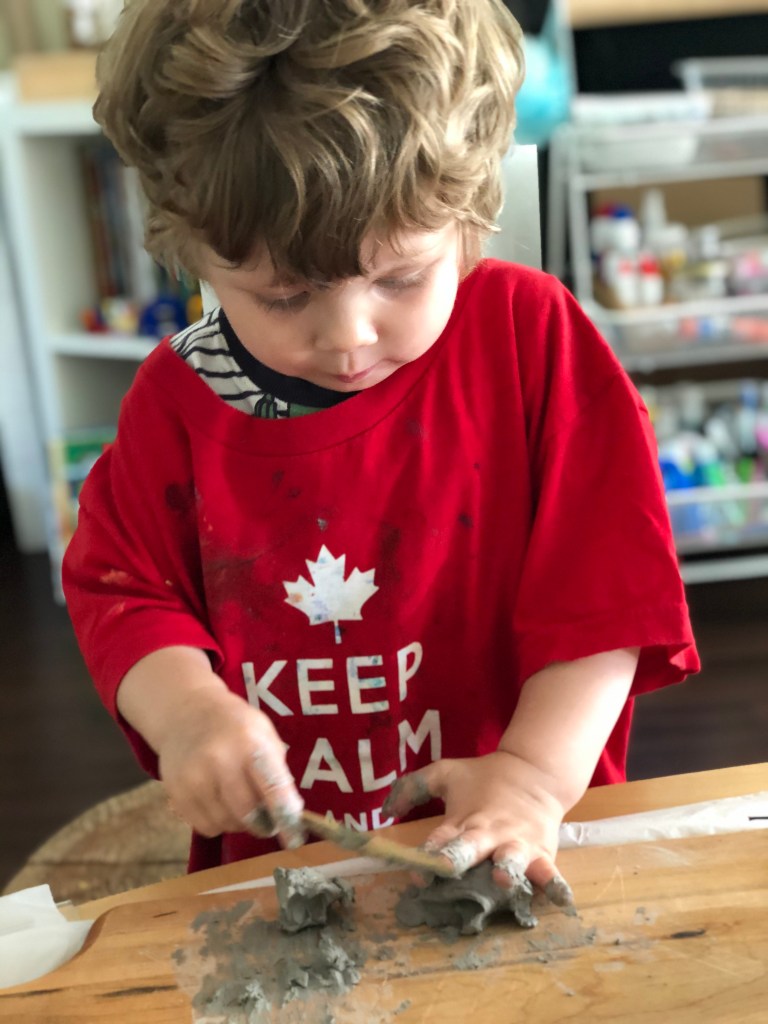
The arts provide opportunities for us to learn holistically, through play and with all our senses at once.
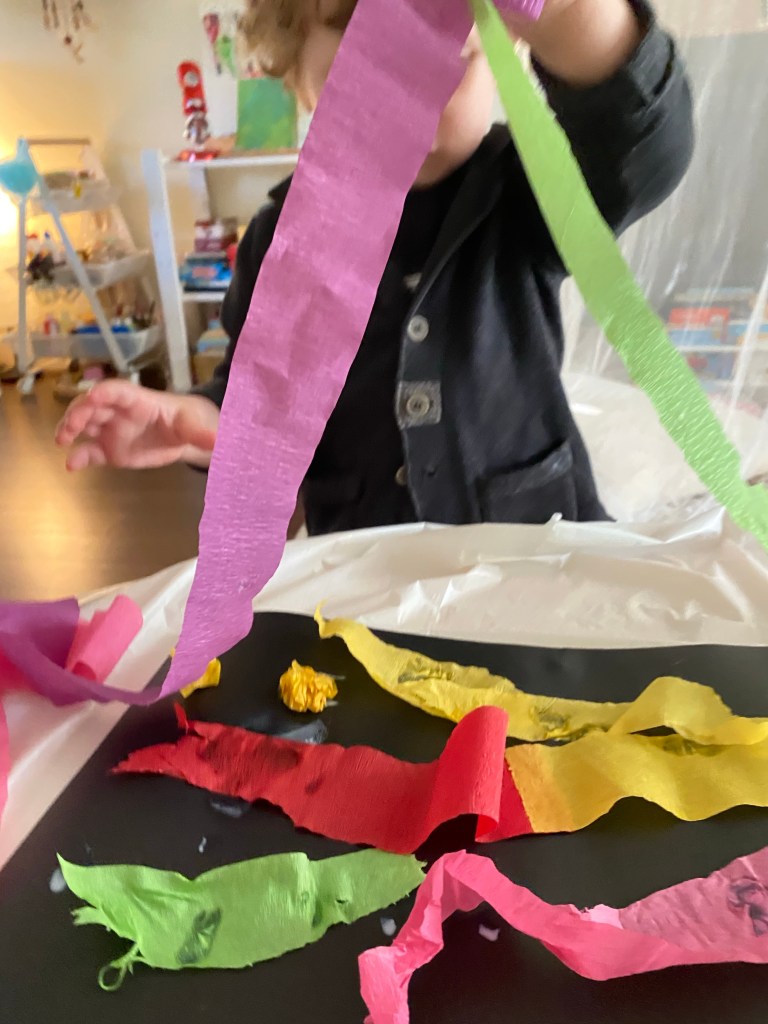
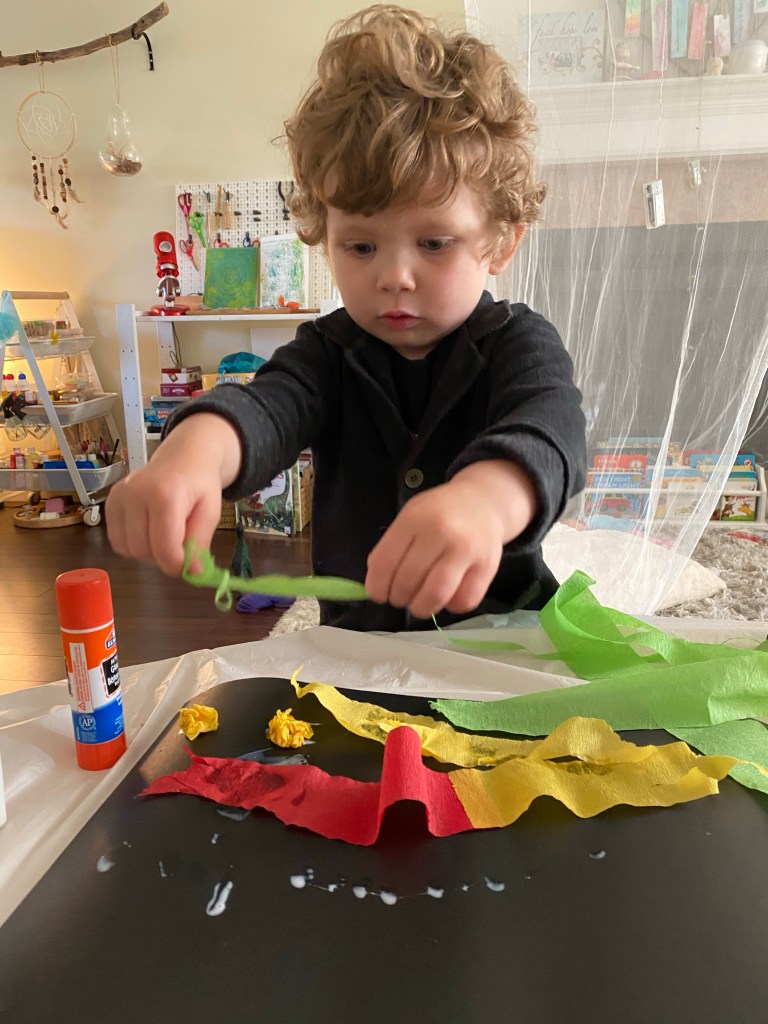
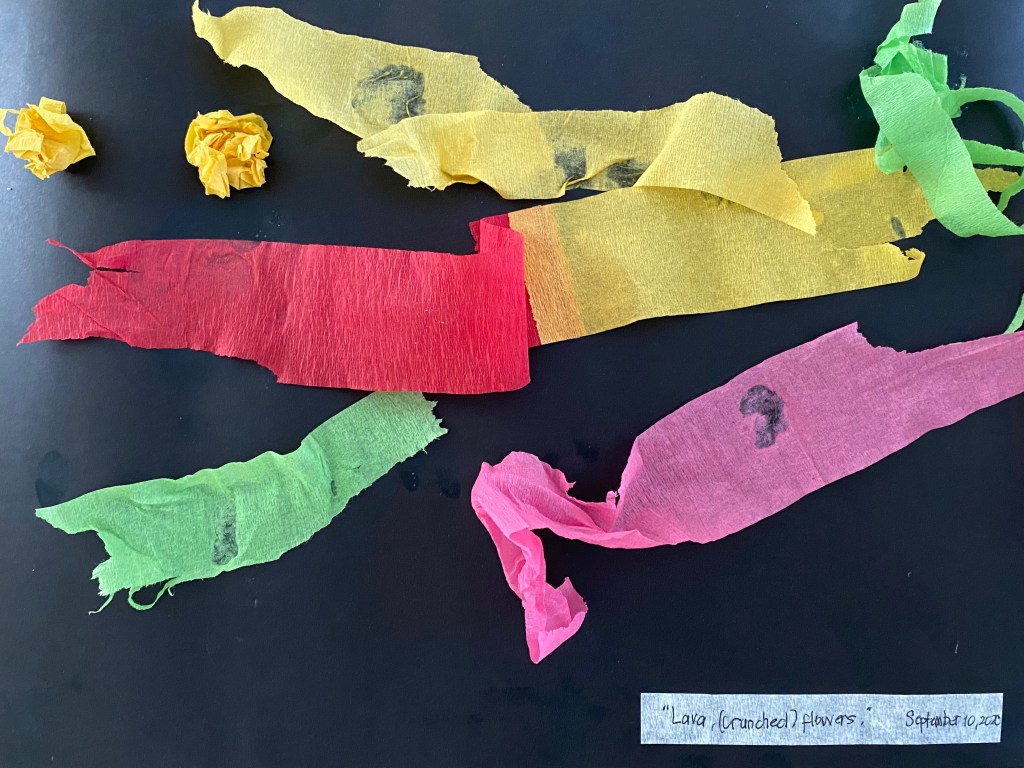
We need lots of relevant opportunities to explore the objects and materials around us with all of our senses.
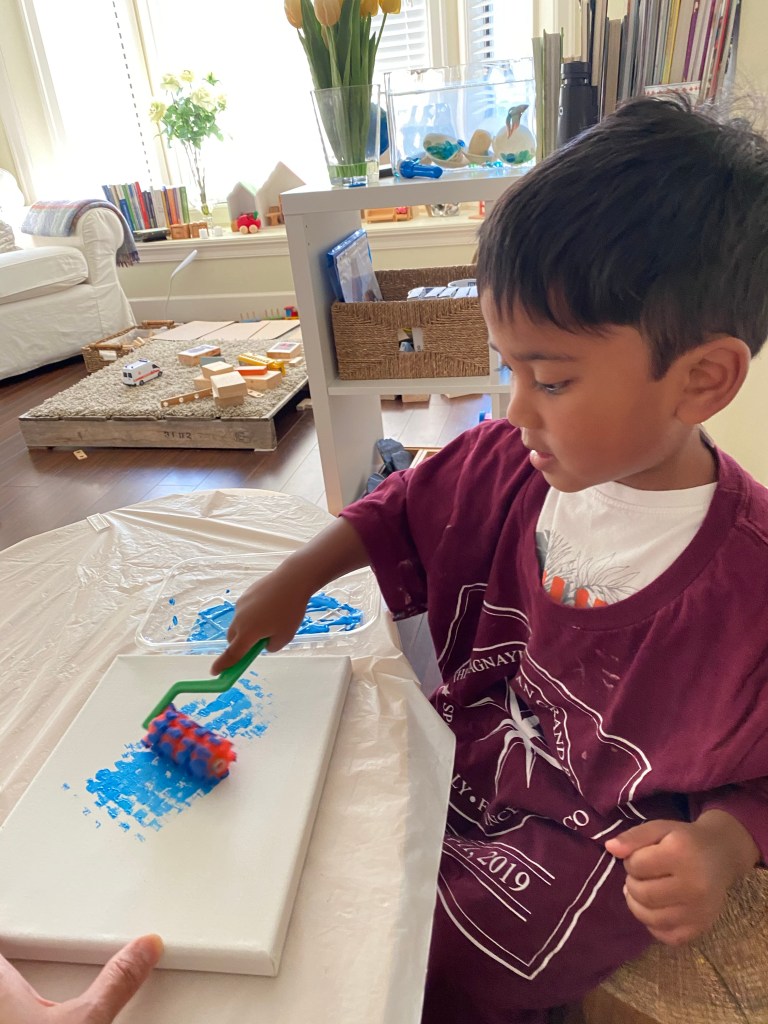
We love working with a collage using various media of differing textures. We choose from wire, sandpaper, corrugated cardboard, sponges, clay, and many other media.
Kindest,
Children & Friends.
 Children & Friends